

Why Hobby Spaces and Practical Side Hustles Are Redefining How People Use Their Homes

Homes today are no longer defined by static roles like “living room” or “office.” Instead, they are becoming dynamic environments shaped by how people choose to spend their time and manage their resources. As remote work, digital marketplaces, and home-based leisure continue to grow, individuals are rethinking how their space can serve both enjoyment and productivity. This shift is not about adding more into the home, but about using existing space more intentionally, blending hobbies with practical opportunities in a way that feels natural rather than forced.
The Shift Toward Purpose-Driven Spaces
One of the most noticeable changes in modern living is the move toward purpose-driven rooms. Rather than having underused areas, homeowners are transforming spare rooms, garages, and basements into spaces that actively support their interests or income streams.
This transformation is often gradual. A corner becomes a workspace, a spare room turns into a studio, or a garage evolves into a hobby zone. Over time, these small adjustments create environments that reflect how people actually live, rather than how homes were traditionally designed.
Why Hobby Spaces Are Becoming More Advanced
Hobbies are no longer limited by access or location. With the right setup, activities that once required external venues can now be brought into the home. This has led to a rise in more advanced hobby spaces that replicate real-world experiences.
For example, golf enthusiasts are increasingly exploring setups inspired by comparisons like Indoor Golf Outlet, where the focus is on how different configurations support realistic play and performance tracking. These environments allow individuals to engage with their interests more consistently, without depending on external schedules or conditions.
Blending Leisure With Skill Development
What sets modern hobby spaces apart is their ability to combine enjoyment with improvement. Instead of being purely recreational, many activities now include elements of skill development, tracking, and progression.
This blend makes hobbies more engaging over time. Whether it’s improving a golf swing, refining a creative skill, or learning something new, the ability to track progress adds a sense of purpose. It also makes the time spent in these spaces feel more valuable.
The Rise of Practical At-Home Income Opportunities
Alongside hobby spaces, there has been a noticeable increase in practical side activities that can be managed from home. These are not always full businesses, but small, efficient ways to generate value from unused items or resources.
One example is the growing awareness around recycling and reselling electronics and office supplies. Platforms such as selltoner.com reflect how individuals can turn surplus items into something useful, rather than letting them go to waste. This approach aligns with a broader mindset of making better use of what is already available.
Why Flexibility Is Driving These Changes
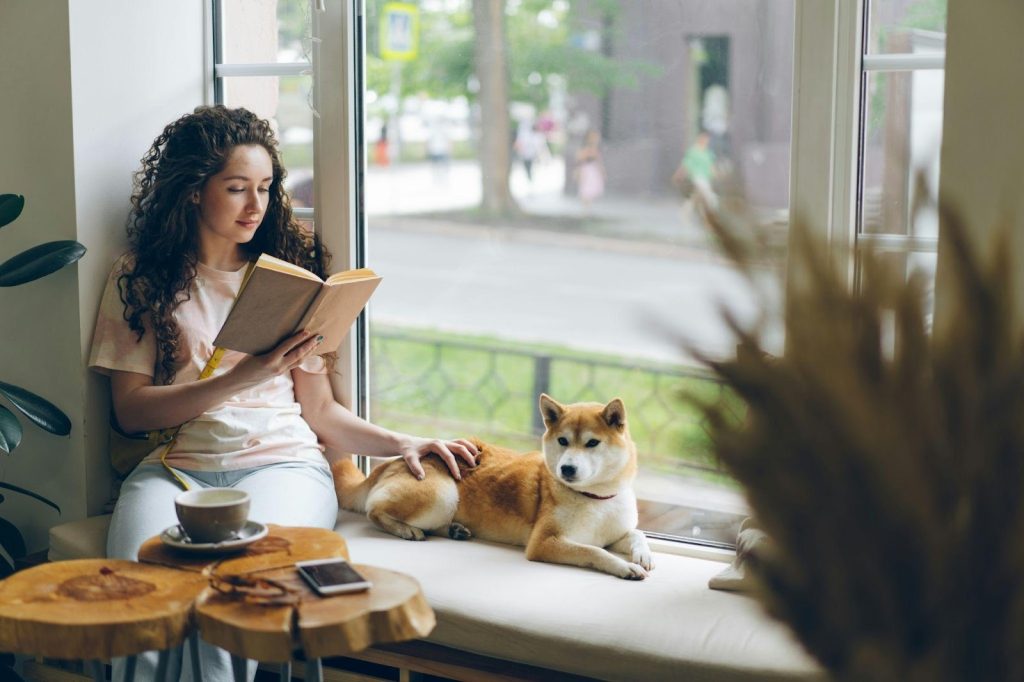
Flexibility is one of the main reasons these trends are gaining traction. People want environments that can adapt to different needs without requiring major changes. A space that functions as both a hobby area and a productive workspace offers more value than one with a single purpose.
This flexibility also reduces the need for external resources. Instead of traveling to multiple locations for different activities, individuals can manage everything within their own home. This saves time and allows for more consistent engagement.
The Influence of Digital Platforms on Home Use
Digital platforms have made it easier to explore new activities, learn skills, and even monetize resources. This accessibility has played a major role in how people use their homes. What was once limited by location or access is now available with just a few tools and an internet connection.
According to the U.S. Small Business Administration, small-scale and home-based business activities continue to grow as digital tools make it easier to start and manage them. This reinforces the idea that homes are becoming more than just living spaces, they are also places of opportunity.
Why Efficiency Matters More Than Expansion
Rather than seeking larger spaces, many homeowners are focusing on making better use of what they already have. This approach emphasizes efficiency, using space in ways that support multiple functions without creating clutter or complexity.
By optimizing existing areas, individuals can create environments that feel both functional and comfortable. This reduces the need for constant upgrades or expansions, making the home more sustainable in the long term.
Rethinking What Value Means at Home
Value is no longer measured only by property size or location. It is increasingly defined by how well a home supports the lifestyle of the person living in it. A space that enables hobbies, supports productivity, and adapts to changing needs offers a different kind of value, one that is more personal and practical.
This shift is changing how people think about their homes. Instead of focusing on traditional markers, they are prioritizing how the space functions on a daily basis.
The Future of Multi-Use Living Spaces
As these trends continue, homes will likely become even more adaptable. The line between leisure and productivity will continue to blur, creating environments that support a wider range of activities without feeling crowded or overwhelming.
What remains consistent is the desire for spaces that work with daily life rather than against it. By combining hobbies, practical opportunities, and flexible design, modern homes are evolving into environments that reflect how people truly live.
Liora Skye, founder of Magazinevalve, is a certified SEO professional and skilled writer with over 5.5 years of experience. She specializes in creating authentic, engaging, and well-researched celebrity blogs that connect with readers worldwide


