

Why Early Signals Matter More Than Big Fixes in Home Maintenance

Most home maintenance decisions aren’t triggered by plans or schedules. They’re triggered by signals. A lawn that greens unevenly, a faint odor that lingers longer than usual, or a surface that no longer feels clean despite regular wiping. These cues don’t demand attention all at once, but they quietly accumulate until action feels unavoidable.
What separates effective home care from reactive maintenance is how early those signals are addressed. Small interventions, applied at the right moment, often prevent the need for larger corrective efforts later. This principle applies across both outdoor and indoor environments, even though the tasks themselves may look very different.
In early spring, for example, homeowners often notice changes before growth fully resumes. Soil temperatures rise, dormant weed seeds begin activating, and lawns show early signs of imbalance. In that window, using a pre emergent in spring isn’t about visual improvement or aggressive treatment. It’s a preventive response to biological timing, aimed at interrupting weed growth before it competes with turf that’s just waking up. Acting early preserves equilibrium rather than chasing correction later in the season.
This pattern repeats throughout the home. When small signals are noticed and addressed promptly, maintenance stays light, predictable, and less disruptive.
Prevention as a Habit, Not a Project
Prevention works best when it’s habitual rather than episodic. Homeowners who rely solely on seasonal overhauls often miss the subtle moments when light intervention would have been more effective. By the time a problem is obvious, it usually requires more effort, more cost, and more disruption.
Indoor environments follow the same logic. Surfaces accumulate residue gradually, not suddenly. Odors build in layers, not all at once. When these changes are addressed early, they rarely become problems. When they’re ignored, they compound.
This is why everyday maintenance tools matter less for their power and more for their consistency. A surface sanitizer spray fits naturally into this preventive mindset because it supports routine upkeep rather than crisis cleaning. Used regularly, it helps interrupt buildup before it becomes visible or persistent, especially in high-touch areas where residue accumulates quietly over time.
Health agencies reinforce this approach. The Centers for Disease Control and Prevention emphasizes that routine surface sanitation plays a key role in maintaining healthier indoor environments, particularly in shared or frequently used spaces. The guidance isn’t about intensity, but frequency.
Why Timing Outperforms Effort
One of the most common mistakes in home care is confusing effort with effectiveness. Doing more later rarely outperforms doing less earlier. Timing determines whether an action supports balance or attempts to restore it after disruption.
Outdoors, this is easy to see. Once weeds are established, removal becomes labor-intensive and ongoing. Indoors, the same principle applies. Once residue hardens or odors settle into porous surfaces, removal becomes more difficult and often requires stronger interventions.
Preventive actions taken at the right moment tend to be lighter, quieter, and more sustainable. They don’t call attention to themselves, and they don’t interrupt daily routines. Over time, these early responses reduce the total amount of maintenance required.
According to the United States Department of Agriculture, early, condition-based interventions in plant management are consistently more effective than delayed corrective measures. While this guidance is often framed for agricultural contexts, the underlying principle applies just as clearly to residential environments.
How Small Frictions Shape Home Behavior
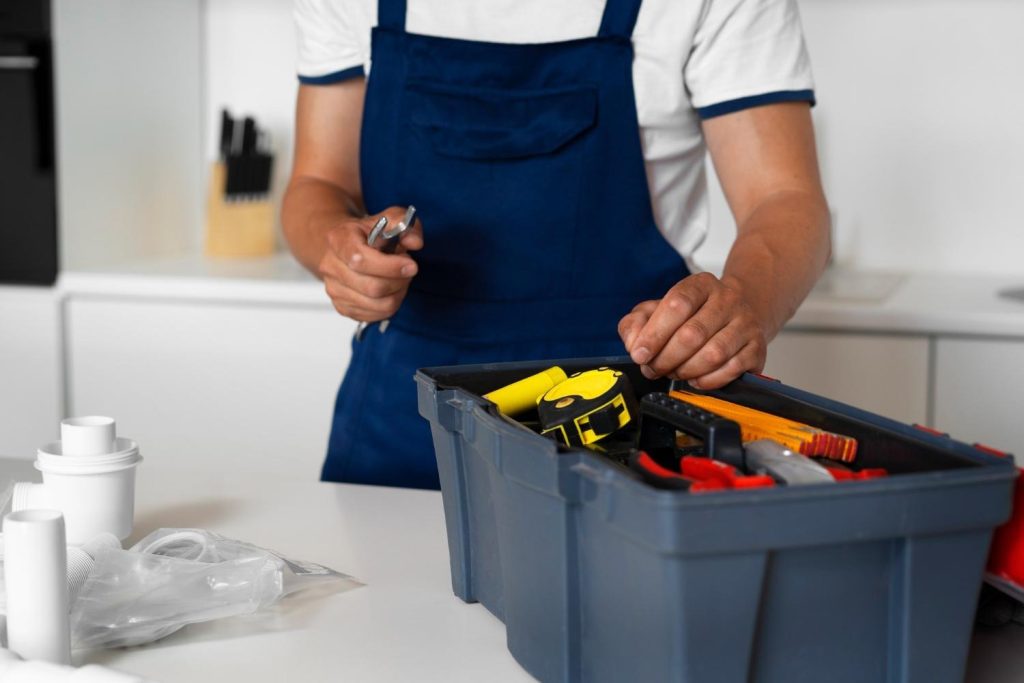
Maintenance habits don’t fail because people don’t care. They fail because friction accumulates. When upkeep requires special preparation, strong chemicals, or extended effort, it gets postponed. When it’s quick and accessible, it becomes routine.
This is why preventive care works best when it blends into daily life. A quick response to an early signal feels manageable. A delayed response often feels overwhelming.
Homes that function well over time tend to support low-friction maintenance. Surfaces are easy to reset. Outdoor areas are addressed before issues escalate. The environment stays within a stable range, even during busy periods.
Environmental researchers increasingly recognize how these conditions affect well-being. The Environmental Protection Agency notes that both indoor and outdoor environmental quality influence comfort, stress levels, and long-term health. Preventive care supports that stability by keeping conditions from drifting too far in either direction.
Stability Comes From Continuity, Not Perfection
Well-maintained homes are rarely perfect. Instead, they’re resilient. They recover quickly from use, weather, and daily wear because they’re supported by consistent, early responses rather than sporadic overhauls.
This approach reduces both physical and mental load. When maintenance stays proportional, homeowners spend less time catching up and more time enjoying their spaces. Problems don’t disappear, but they stay smaller and easier to manage.
Over time, this creates a feedback loop. Spaces that are easy to maintain are used more often. Spaces that are used more often receive more attention. That attention prevents neglect from taking root.
Building a Preventive Mindset at Home
The most effective home care strategy isn’t aggressive improvement, but awareness. Noticing early signals and responding while conditions are still flexible keeps environments balanced with less effort overall.
Whether outdoors or indoors, prevention works best when it’s quiet, timely, and repeatable. It doesn’t aim for transformation. It aims for continuity. And that continuity is what allows homes to function smoothly across seasons, routines, and years.
Liora Skye, founder of Magazinevalve, is a certified SEO professional and skilled writer with over 5.5 years of experience. She specializes in creating authentic, engaging, and well-researched celebrity blogs that connect with readers worldwide


