

Why Handmade Fashion Is Becoming a Form of Personal Style Again

For much of the last two decades, personal style has been shaped by speed. Trends arrived quickly, wardrobes turned over faster, and clothing often felt interchangeable. Lately, that cycle has begun to slow. More people are stepping away from mass-produced fashion in favor of pieces that reflect who they are and how they live. This renewed interest in making clothes has pushed sewing back into everyday conversations, with platforms like SewHungryHippie becoming reference points for those who want garments that feel intentional rather than disposable.
Handmade fashion isn’t resurging because it’s nostalgic. It’s returning because it solves a problem modern wardrobes created: clothes that don’t quite fit, don’t last, and don’t feel personal.
How Statement Style Comes From What You Build Around It
One of the most noticeable shifts in personal style today is how people anchor outfits around a few bold, meaningful pieces. Footwear often plays that role. Items like knee high cowgirl boots carry strong visual identity and cultural weight, but they only work when the rest of the outfit feels balanced and authentic. Handmade garments provide that grounding. A well-fitted skirt, dress, or top sewn to suit the wearer allows statement footwear to stand out without feeling costume-like.
This balance is difficult to achieve with off-the-rack clothing, which is designed to appeal broadly rather than fit precisely. When people make their own clothes, they gain control over proportions, fabric weight, and movement, creating outfits that support stronger personal expression.
Fit Has Become the New Definition of Style
One of the biggest frustrations with fast fashion is inconsistency in fit. Sizes vary, cuts are standardized, and bodies are expected to adapt to garments rather than the other way around. Handmade fashion reverses that relationship.
When someone sews their own clothing, fit becomes intentional. Waistlines sit where they should, lengths match real proportions, and comfort is no longer an afterthought. Over time, this changes how people evaluate clothing. Style stops being about how something looks on a hanger and becomes about how it feels when worn all day.
Making Clothes Changes Buying Habits
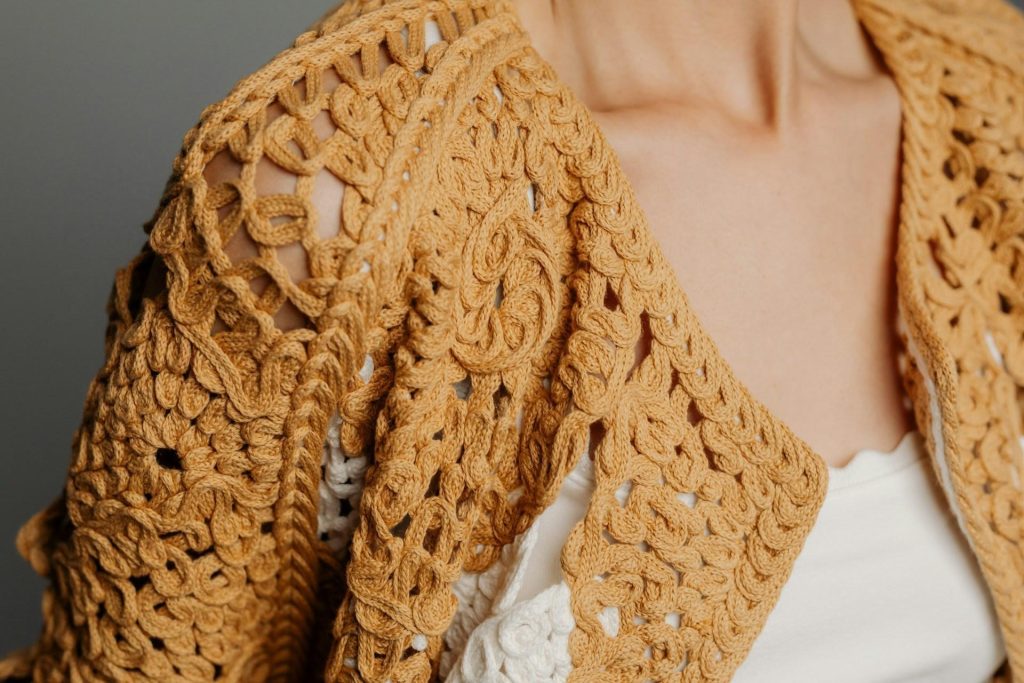
Learning to sew doesn’t just add a skill; it reshapes consumption. People who invest time in making garments become more selective about what enters their wardrobe. They start to recognize fabric quality, construction methods, and design longevity.
Instead of buying five inexpensive items that wear out quickly, they may make or choose one well-considered piece. This shift reduces clutter and encourages repeat wear, both of which reinforce a stronger sense of personal style.
Why Handmade Feels More Honest
There is an honesty to handmade clothing that mass production often lacks. Seams are visible, choices are deliberate, and imperfections are part of the story. This transparency resonates in a time when many consumers feel disconnected from how products are made.
Wearing something you’ve made, or that clearly reflects craftsmanship, creates a different relationship with clothing. It’s harder to discard, easier to repair, and more likely to be worn with confidence.
Western Influence and DIY Share Common Ground
Western-inspired fashion and handmade clothing align naturally. Both emphasize durability, individuality, and practicality. Western style wasn’t built for trend cycles; it was built for real conditions. Similarly, DIY fashion prioritizes wearability over novelty.
This shared philosophy explains why Western elements integrate so seamlessly into handmade wardrobes. They feel lived-in rather than styled for effect, reinforcing the idea that fashion can be expressive without being excessive.
Confidence Grows With Skill
Another reason handmade fashion is becoming a form of personal style again is confidence. Making clothes builds competence. Each finished garment reinforces problem-solving, patience, and creativity.
That confidence carries into how people dress. Wearing something you’ve made, or carefully chosen to complement handmade pieces, often feels more authentic than following external style rules. The outfit reflects ability and intention, not just taste.
Social Media Changed the Conversation
While social media once amplified fast fashion hauls, it has also created space for slower practices. Sewing progress, fabric choices, and finished garments now appear alongside trend content, reframing what style looks like.
These platforms normalize repetition and process. Seeing someone wear the same handmade piece multiple ways challenges the idea that outfits must constantly change to remain relevant.
Handmade Fashion and Sustainability
Sustainability isn’t always the primary motivation for sewing, but it becomes a natural outcome. Handmade garments tend to be worn longer, repaired more often, and valued more highly than impulse purchases.
Research summarized by the Ellen MacArthur Foundation highlights that extending the lifespan of clothing significantly reduces environmental impact. Handmade fashion supports this by design, encouraging longevity over turnover.
Personal Style Over Algorithms
As fashion recommendations become increasingly algorithm-driven, handmade clothing offers an alternative. Instead of being told what to wear, makers decide for themselves. They choose colors, silhouettes, and fabrics based on preference rather than popularity.
This autonomy restores personal style as something developed internally, not assigned externally. Clothes become expressions of identity rather than responses to trends.
Why This Shift Feels Lasting
Handmade fashion is re-emerging not as a niche hobby, but as a response to broader dissatisfaction with how clothing has been produced and consumed. It answers practical needs, fit, comfort, durability, while also fulfilling emotional ones like creativity and self-expression.
Because it’s rooted in skill rather than trend, this movement has staying power. Even those who don’t sew often adopt its values, choosing fewer, better-made garments and building outfits around meaning rather than momentum.
A Return to Clothing With Purpose
Handmade fashion is becoming a form of personal style again because it restores agency. It allows people to dress for their bodies, their lives, and their values. In a landscape crowded with sameness, making, or intentionally wearing, clothing becomes a way to stand apart quietly and confidently.
Rather than chasing what’s next, more people are choosing what fits. And in doing so, they’re redefining style as something built, not bought.
Liora Skye, founder of Magazinevalve, is a certified SEO professional and skilled writer with over 5.5 years of experience. She specializes in creating authentic, engaging, and well-researched celebrity blogs that connect with readers worldwide


