

How Men Choose Clothing and Accessories That Balance Comfort and Style

Modern men tend to approach style with a practical mindset. Rather than dressing purely for appearance or comfort alone, many aim to find a balance between the two, pieces that feel good to wear while still presenting a polished, put-together look. This approach shows up clearly in accessory choices, where timeless items such as Michael Kors watches online remain popular for their ability to complement everyday outfits without feeling excessive or impractical.
For many men, building personal style is less about constant change and more about refining a dependable set of clothing and accessories that work across different parts of daily life.
Fit as the Starting Point for Comfort and Style
When it comes to clothing, fit is usually the first and most important consideration. Even high-quality garments can feel uncomfortable or look awkward if they don’t align with the wearer’s body shape. This is why understanding how to choose the best fitting jeans for men plays such a central role in everyday wardrobes. Well-fitted jeans support movement, sit correctly at the waist, and create clean lines that elevate even the simplest outfit.
Good fit reduces the need for constant adjustment and helps clothing feel natural rather than restrictive. Over time, men who prioritize fit often find they need fewer pieces overall because each item works harder within their wardrobe.
Why Comfort Drives Long-Term Style Choices
Comfort isn’t about wearing loose or casual clothing at all times. Instead, it’s about choosing garments and accessories that support real movement and long hours of wear. Breathable fabrics, flexible cuts, and thoughtfully designed accessories all contribute to comfort that lasts beyond the first few minutes.
Men who value comfort tend to gravitate toward pieces they can wear confidently throughout the day, from work to errands to social settings, without needing to change outfits. This versatility is a major reason why functional design has become more important than seasonal trends.
Accessories That Add Structure Without Effort
Accessories play a subtle but important role in balancing comfort and style. Items like watches, belts, and shoes often act as visual anchors, giving structure to an outfit without adding bulk or complexity. A well-chosen watch, for example, can elevate casual clothing while still feeling natural as part of everyday wear.
Because accessories are used repeatedly, comfort factors such as weight, size, and material quality matter just as much as appearance. Men tend to favor accessories that fade into routine rather than demand constant attention.
Consistency Over Constant Change
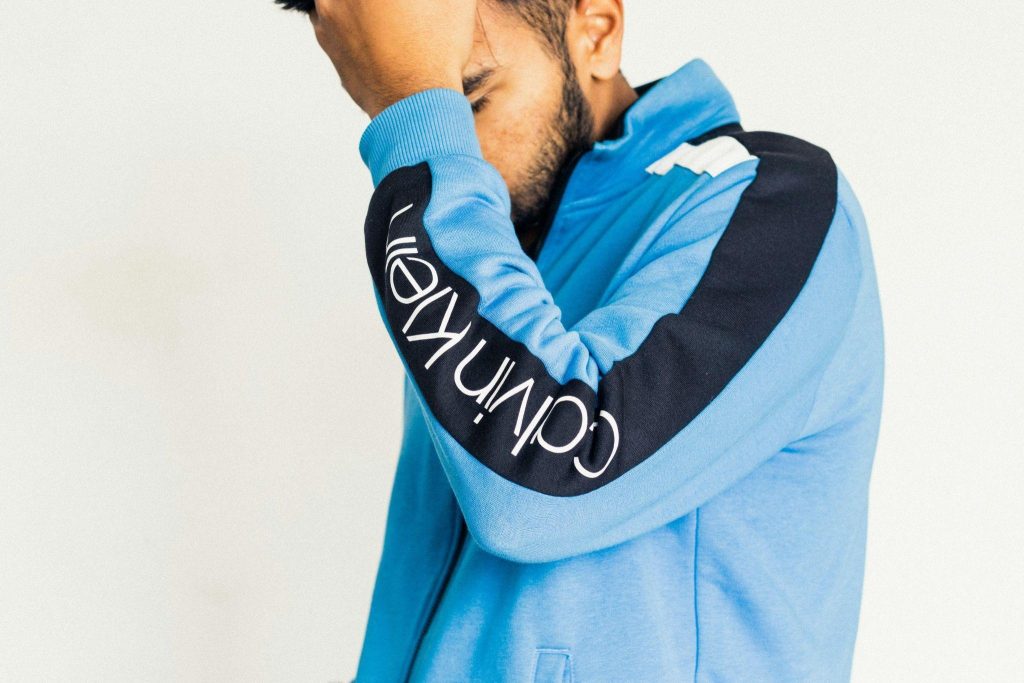
Many men develop style by narrowing their options rather than expanding them endlessly. Instead of chasing every new trend, they refine a consistent look built around neutral colors, reliable fits, and accessories that work year-round.
This consistency simplifies daily decisions and reduces wardrobe fatigue. When pieces are interchangeable and familiar, getting dressed becomes effortless, which reinforces confidence and comfort at the same time.
The Role of Fabric and Construction
Comfort and style often intersect at fabric choice. Materials that stretch slightly, regulate temperature, and age well over time tend to outperform stiffer or purely decorative options. Construction quality also matters, reinforced seams, balanced proportions, and thoughtful detailing all contribute to how clothing feels after repeated wear.
These factors influence why certain brands and silhouettes remain popular long after trends shift. Men often notice that well-constructed pieces not only look better but also feel better over months and years of use.
Proportion and Balance in Everyday Outfits
Beyond individual items, overall proportion plays a major role in how comfortable and stylish an outfit feels. Slimmer clothing paired with overly bulky accessories can feel restrictive, while loose garments combined with minimal structure may look unfinished.
Finding balance, between fitted and relaxed elements, between texture and simplicity, helps outfits feel cohesive. This balance allows comfort to coexist with visual clarity.
Confidence as the End Result
Comfortable, well-fitting clothing and accessories contribute directly to confidence. When nothing feels out of place or distracting, attention shifts away from appearance and toward interaction, work, or leisure.
This confidence is often what defines good everyday style. It’s not about standing out dramatically, but about feeling at ease in familiar environments.
Organizations such as the Council of Fashion Designers of America frequently emphasize that successful menswear design blends wearability with aesthetics, supporting the idea that comfort and style are not opposing goals, but complementary ones.
Adapting Style as Life Changes
As routines evolve, so do wardrobe needs. Jobs, activity levels, and social habits change over time, and the most effective clothing choices adapt accordingly. Men who focus on fit and comfort from the start often find it easier to adjust their style gradually rather than overhaul it completely.
This adaptability reinforces long-term satisfaction with clothing and accessories, making style feel sustainable rather than forced.
Liora Skye, founder of Magazinevalve, is a certified SEO professional and skilled writer with over 5.5 years of experience. She specializes in creating authentic, engaging, and well-researched celebrity blogs that connect with readers worldwide


