

Why Neutral Layers Are the Backbone of Modern Men’s Style

Men’s style has shifted noticeably over the past decade. Loud logos, aggressive color blocking, and trend-heavy silhouettes still exist, but they no longer define how most men want to dress day to day. Instead, modern menswear has moved toward something quieter, more adaptable, and far more personal. At the center of that shift is layering built around neutral tones.
Neutral layers work because they remove friction from getting dressed. A well-cut jacket, a soft knit, or a simple cardigan can move effortlessly between settings without demanding attention. This is why pieces like a mens beige cardigan have become wardrobe anchors, sitting comfortably between casual and refined, offering warmth, texture, and balance without overwhelming an outfit.
Neutral layering isn’t about playing it safe. It’s about building a foundation that allows style to feel intentional without feeling forced.
The Move Away From Statement Dressing
Modern men are dressing for real lives, not just curated moments. Work environments are more fluid, social settings overlap, and the line between casual and formal has blurred. In this context, clothing needs to adapt rather than announce itself.
Neutral layers do exactly that. Beige, cream, grey, navy, and soft browns create visual calm. They allow silhouettes and fabric quality to do the talking instead of relying on color for impact. This shift reflects a broader desire for longevity in clothing choices. When a garment doesn’t scream a specific era or trend, it stays relevant longer.
Rather than chasing attention, modern style prioritizes ease and confidence. Neutral layers support that mindset by letting the wearer remain the focus.
Why Layering Matters More Than Ever
Layering has always been part of menswear, but today it carries more weight. Climate variability, flexible dress codes, and hybrid lifestyles all demand clothing that can be added or removed easily without disrupting an outfit.
Neutral layers are particularly effective here because they blend seamlessly. A beige or cream knit can sit under a coat, over a shirt, or paired with denim or tailored trousers without clashing. The outfit still feels cohesive even as layers change throughout the day.
This adaptability makes layering less about fashion rules and more about function. The clothes work with the wearer, not against them.
Neutral Doesn’t Mean Boring
One of the biggest misconceptions about neutral dressing is that it lacks personality. In reality, neutral palettes shift emphasis from color to detail. Texture, weight, drape, and construction become more noticeable when color steps back.
A knit cardigan, for example, reveals its quality through stitch definition and fabric feel rather than brightness. Wool, merino, or traditional knit patterns add depth that louder colors often obscure. This subtle complexity is what gives neutral outfits their quiet strength.
Instead of shouting, these garments invite closer attention.
Texture as the New Expression
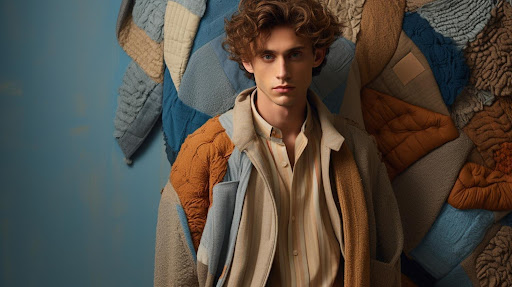
As color becomes more restrained, texture takes on a leading role. Knitwear is especially important here because it introduces visual interest without disrupting harmony.
A neutral cardigan adds softness to structured pieces like shirts or jackets. It creates contrast through material rather than hue. This kind of contrast feels mature and intentional, which aligns with how many men now approach style.
Texture-driven dressing also photographs well, ages well, and transitions easily between seasons. It’s a practical form of expression that doesn’t rely on trend cycles.
The Psychological Ease of Neutrals
Neutral wardrobes reduce decision fatigue. When most pieces work together naturally, getting dressed becomes simpler and less stressful. This ease is not trivial. Clothing choices influence mood and confidence more than people often admit.
Research into consumer behavior and design consistently shows that people gravitate toward environments and products that feel coherent and calm. The British Fashion Council has frequently highlighted the enduring relevance of timeless palettes and quality materials in menswear, particularly as consumers move away from fast-fashion cycles.
Neutral layering supports this sense of coherence. It removes unnecessary noise and allows personal style to feel steady rather than reactive.
Why Beige Has Gained New Respect
Beige, in particular, has undergone a quiet reevaluation. Once dismissed as bland or conservative, it is now recognized for its versatility and warmth. Beige softens darker tones, complements denim effortlessly, and pairs naturally with both cool and warm colors.
In knitwear, beige feels especially natural. It echoes traditional materials like wool and reflects heritage craftsmanship. When worn as a layer, it bridges casual and refined spaces without effort.
This is why beige works so well in modern wardrobes. It doesn’t dominate; it supports.
Neutral Layers and the Return of Craft
Another reason neutral layers resonate today is their connection to craftsmanship. When color is subdued, construction flaws are harder to hide. Fit, finish, and material quality become more visible.
This has pushed many men to care more about how garments are made, not just how they look at first glance. Neutral knitwear often signals an appreciation for craft, durability, and tradition rather than disposable fashion.
In this sense, neutral layering aligns closely with the broader move toward intentional consumption. Fewer pieces, chosen carefully, worn often.
Style That Ages Well
Trends age quickly. Neutral layers do not. A cardigan or knit bought today can still feel appropriate years from now because it isn’t tied to a specific fashion moment.
This longevity is increasingly important. Men want wardrobes that evolve with them rather than forcing constant reinvention. Neutral layering allows for that evolution by acting as a stable base around which personal taste can shift.
As bodies, careers, and lifestyles change, these pieces continue to make sense.
The Backbone, Not the Spotlight
Neutral layers are rarely the most eye-catching part of an outfit, and that is precisely their strength. They provide structure, balance, and continuity. They allow footwear, outerwear, or accessories to stand out when desired, without competing for attention.
In modern men’s style, this supporting role is essential. Style today is less about spectacle and more about coherence. Neutral layers hold everything together.
A Quiet Confidence
The rise of neutral layering reflects a broader cultural shift toward understated confidence. Men are less interested in proving style awareness and more interested in feeling comfortable, capable, and authentic.
A neutral layer does not demand validation. It simply works.
That is why neutral layers have become the backbone of modern men’s style. Not because they are safe, but because they are strong. They offer flexibility without chaos, personality without noise, and longevity without compromise.
In a fashion landscape that moves quickly, neutral layers provide something increasingly rare: a sense of calm that lasts.
Liora Skye, founder of Magazinevalve, is a certified SEO professional and skilled writer with over 5.5 years of experience. She specializes in creating authentic, engaging, and well-researched celebrity blogs that connect with readers worldwide


