

Why Custom Furniture Details Matter More in Smaller Living Spaces

As urban living continues to prioritise density over square footage, the role of furniture has quietly shifted. In smaller homes and apartments, furniture is no longer just about filling space or matching a style; it actively shapes how a room functions, feels, and adapts to daily life. This is particularly evident in compact urban developments such as first light seattle wa, where residents often rely on thoughtful interior decisions to make limited space feel comfortable, flexible, and intentional.
In environments like these, small design choices can have a disproportionate impact. Details that might be overlooked in larger homes, such as proportions, clearance, and structural components, become central to how well a space works.
How Structural Furniture Choices Shape Daily Use
One of the most significant factors in small-space living is how furniture supports movement and circulation. In compact rooms, bulky or poorly proportioned pieces can quickly disrupt flow, making spaces feel cramped or awkward. As a result, attention often shifts away from surface finishes and toward underlying structure, including elements such as leg height, spacing, and overall footprint.
For example, structural variations influence not only the look of a table, but how it occupies space visually and physically. In smaller dining or multipurpose areas, leg design affects sightlines, ease of movement, and the ability to repurpose furniture for different activities throughout the day. This structural awareness reflects a broader shift toward furniture that supports adaptability rather than fixed use.
Visual Weight and Perception of Space
In small living spaces, perception matters as much as measurement. Furniture that appears heavy or visually dense can make a room feel smaller than it is, while lighter, more open designs help maintain a sense of airiness. Details such as leg thickness, spacing, and material play a role in how visually grounded or open a piece feels.
Custom or carefully selected furniture components allow residents to manage this visual weight. A table with slim, well-spaced legs, for example, can preserve openness beneath the surface, reducing the sense of obstruction. This matters in rooms where furniture must coexist closely with walkways, seating, and storage.
The goal is not minimalism for its own sake, but visual clarity that supports comfort.
Multi-Use Rooms and Furniture Adaptability
Smaller living spaces frequently rely on rooms that serve multiple purposes. Dining areas double as workspaces, living rooms accommodate exercise or hobbies, and bedrooms may include storage or study zones. In these contexts, furniture details determine how easily a room can shift from one function to another.
Customisable elements allow furniture to adapt without replacement. Adjustments to height, clearance, or support structure can enable a table to function equally well for meals, work, or creative projects. This flexibility reduces the need for additional furniture, conserving both space and budget.
Adaptability also supports long-term use, allowing residents to respond to changing routines without reconfiguring their entire home.
Storage, Clearance, and Everyday Practicality
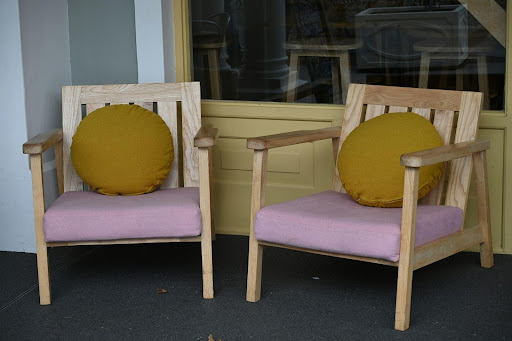
Another reason furniture details matter more in smaller spaces is storage. Clearance beneath tables, seating, and shelving often determines whether items can be stored neatly or must remain visible. Poorly considered proportions can limit storage options, contributing to clutter and reducing usable space.
Custom furniture details allow residents to optimise vertical and horizontal space simultaneously. By paying attention to leg placement and under-surface clearance, it becomes easier to incorporate baskets, stools, or movable storage without disrupting flow.
This kind of practical optimisation is less critical in larger homes, where unused space can absorb inefficiencies. In smaller homes, every centimetre counts.
The Relationship Between Furniture and Architecture
In compact apartments, furniture interacts more directly with architectural features such as windows, doors, and built-in elements. Poor alignment can block light, restrict access, or create visual imbalance. Custom details help bridge the gap between fixed architecture and flexible interiors.
Furniture that respects ceiling height, window placement, and room proportions can enhance the architectural intent rather than compete with it. This is especially relevant in modern urban developments, where interiors are often designed with specific spatial rhythms that benefit from complementary furnishings.
When furniture aligns with architecture, rooms feel intentional rather than improvised.
Comfort and Ergonomics in Limited Space
Comfort is sometimes assumed to be compromised in smaller homes, but this need not be the case. Ergonomics play a crucial role in making compact spaces livable over the long term. Furniture that is too low, too high, or poorly balanced can cause discomfort that becomes more noticeable when spaces are used intensively.
Attention to structural details allows furniture to meet ergonomic needs without dominating a room. Proper leg height, stable support, and balanced proportions contribute to seating and surfaces that are comfortable for extended use, whether for work, dining, or leisure.
The American Society of Interior Designers has highlighted how ergonomic considerations in residential interiors directly influence wellbeing, particularly in smaller homes where occupants spend more time using the same furniture across multiple activities.
Emotional Impact of Thoughtful Design
Beyond physical comfort, furniture details influence how a space feels emotionally. In smaller homes, clutter, awkward layouts, or poorly fitting pieces can create a sense of stress or restlessness. Conversely, furniture that fits well and supports daily routines can make compact spaces feel calm and manageable.
Custom details contribute to this emotional ease by reducing friction in everyday tasks. When furniture supports movement, storage, and flexibility, residents are less likely to feel constrained by their environment.
This emotional dimension is often underestimated, yet it plays a significant role in long-term satisfaction with small-space living.
Longevity and Sustainable Choices
Smaller spaces also encourage more deliberate purchasing decisions. Because there is less room for excess, residents often prioritise quality and longevity over frequent replacement. Furniture with adaptable or replaceable components aligns well with this mindset, extending the lifespan of existing pieces.
Rather than replacing an entire table or seating unit, structural updates can refresh function and appearance. This approach supports sustainability by reducing waste and resource consumption while maintaining continuity within the home.
Longevity becomes not just an environmental consideration, but a practical one.
Design as Problem-Solving, Not Decoration
In compact living environments, design is less about decoration and more about problem-solving. Furniture details address specific challenges related to space, movement, and use. This utilitarian aspect does not diminish aesthetic value; instead, it grounds design choices in lived experience.
When furniture details are selected with intention, they enhance both form and function. The result is a space that feels tailored rather than constrained, supporting daily life rather than dictating it.
Liora Skye, founder of Magazinevalve, is a certified SEO professional and skilled writer with over 5.5 years of experience. She specializes in creating authentic, engaging, and well-researched celebrity blogs that connect with readers worldwide


