

Visual Branding and Personal Style Are Merging in Modern Spaces

In both personal and commercial environments, the line between branding and individual style is becoming increasingly blurred. Spaces are no longer designed solely for function; they are curated to reflect identity, communicate values, and create a distinct visual presence. Whether in retail, creative studios, or home offices, the way a space looks has become just as important as how it works.
This shift is driven by a growing awareness that visuals influence perception. People respond to environments that feel intentional, cohesive, and expressive. As a result, design choices are being made with greater care, combining aesthetics with purpose to create spaces that leave a lasting impression.
Personal Style Is Influencing Everyday Design
Personal style is no longer limited to clothing or accessories; it is extending into how spaces are arranged and presented. Individuals are using design elements to express preferences, moods, and identity in a more visible way.
Brands like Danireon reflect this movement, where fashion and visual expression intersect with lifestyle choices. These influences often carry over into interior spaces, shaping how colors, textures, and layouts are selected to create a cohesive personal environment.
Visual Consistency Builds Stronger Identity
Consistency plays a key role in how spaces are perceived. When elements align visually, they create a sense of clarity and purpose that is immediately recognizable. This is particularly important in commercial settings, where branding needs to be communicated quickly and effectively.
A consistent visual approach helps reinforce identity, making spaces more memorable. It also creates a sense of professionalism and attention to detail, which can influence how people interact with the environment.
Printed Materials Remain Highly Relevant
Despite the rise of digital media, printed materials continue to hold value in physical spaces. Banners, posters, and large-format prints provide a tangible way to communicate messages and enhance visual presence.
Services like Printmoz demonstrate how print is still used to support branding and communication. These materials are often integrated into design strategies, helping to create environments that feel complete and well-defined.
Spaces Are Becoming More Experiential
Modern design increasingly focuses on creating experiences rather than simply organizing space. This means considering how people move through an environment, what captures their attention, and how different elements interact.
By combining visual cues with functional design, spaces become more engaging. This approach encourages interaction and creates a stronger connection between the environment and the people within it.
The Influence of Creative Media on Design
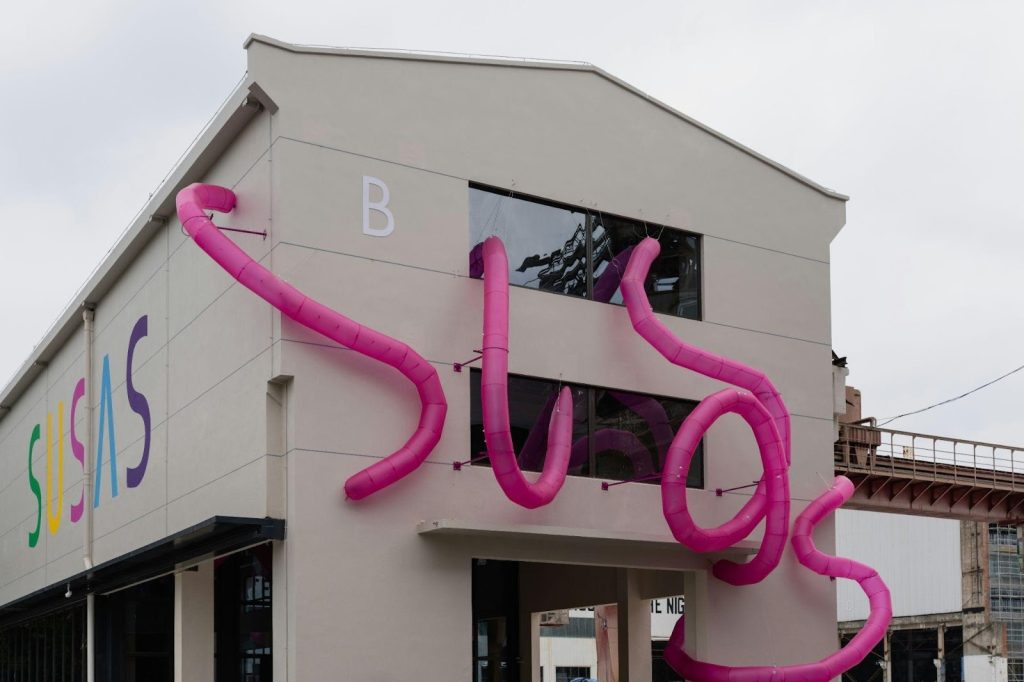
Creative media, including fashion, art, and digital content, plays a significant role in shaping design trends. These influences are often reflected in how spaces are styled, from color palettes to layout choices.
This cross-influence allows for more dynamic and evolving environments. As trends shift, spaces can be updated to reflect new ideas, keeping them relevant and visually interesting.
Functionality Still Guides Design Decisions
While aesthetics are important, functionality remains a core consideration. Design choices must support the intended use of a space, ensuring that it remains practical and efficient.
Balancing function and style requires thoughtful planning. When done well, it results in spaces that are both visually appealing and highly usable, enhancing the overall experience.
The Role of Materials and Texture
Materials and textures contribute significantly to how a space feels. The choice of surfaces, finishes, and fabrics can influence both comfort and perception.
These elements add depth and dimension, making spaces more engaging. They also help differentiate environments, creating unique identities that stand out.
Environmental Awareness Is Shaping Design
Sustainability is becoming an important factor in design decisions. People are increasingly aware of the impact of materials and processes, leading to more responsible choices.
According to the U.S. Green Building Council (USGBC), sustainable design practices can improve both environmental outcomes and occupant well-being. This perspective is influencing how spaces are planned and maintained.
A Shift Toward Intentional Design
The merging of branding and personal style reflects a broader move toward intentional design. Every element is chosen with purpose, contributing to a cohesive and meaningful environment.
As this approach continues to evolve, spaces will become more expressive and adaptable. The focus will remain on creating environments that not only function well but also communicate identity and inspire those who experience them.
Liora Skye, founder of Magazinevalve, is a certified SEO professional and skilled writer with over 5.5 years of experience. She specializes in creating authentic, engaging, and well-researched celebrity blogs that connect with readers worldwide


