

The Rise of Microdosing Products in the Wellness Market

The wellness industry continues to evolve as consumers search for products that support focus, relaxation, and balance in everyday life. In recent years, one emerging trend attracting significant attention is microdosing, the practice of consuming very small amounts of certain compounds in order to experience subtle effects without strong psychoactive impact.
This concept has gradually moved from niche communities into mainstream wellness discussions. Low-dose edibles, supplements, and botanical formulations are increasingly appearing in the market as companies experiment with controlled-dose products designed for modern lifestyles.
What Microdosing Means in Wellness
Microdosing generally refers to taking a very small dose of a substance, often far below a typical recreational amount, to achieve mild or functional effects. In the case of cannabinoids, microdoses often range from 1 to 5 milligrams of THC, depending on individual tolerance and product formulation.
The idea behind this approach is to find the lowest dose that produces a desired effect such as improved mood, relaxation, or focus while avoiding strong intoxication or side effects.
Because of this controlled approach, microdosing is often positioned as a more measured way for individuals to experiment with wellness products.
The Expansion of Microdose Edibles
One of the fastest-growing segments within the microdosing category is low-dose edible products. Gummies, beverages, capsules, and tinctures are designed to deliver consistent, precisely measured servings that make dosage easier to control.
Consumers exploring these options often look for products such as microdose gummies online that provide small, standardized servings intended for gradual and manageable consumption.
Edibles have become particularly popular because they allow manufacturers to control dosage more precisely than some traditional consumption methods.
Lifestyle Changes Driving Demand
Several lifestyle shifts are contributing to the growth of microdosing products. Many consumers are moving toward wellness routines that emphasize moderation and personalization. Rather than seeking intense effects, individuals often prefer products that integrate easily into daily activities.
Market observers note that health-conscious consumers, especially Millennials and Gen Z, are increasingly interested in controlled-dose experiences that can enhance mood or relaxation without disrupting productivity.
These preferences align with broader wellness trends that emphasize balance, mindfulness, and lifestyle optimization.
Research and Consumer Curiosity
Scientific research into microdosing is still developing, but early observational studies have examined how individuals report changes in mood, focus, or stress levels when using low-dose substances. For example, some observational research tracking microdosing participants found changes in psychological functioning on dosing days, although long-term effects remain uncertain.
Because evidence remains limited, many experts emphasize that microdosing should be approached cautiously and with awareness of local regulations.
Despite these uncertainties, consumer curiosity continues to grow as people explore alternative approaches to wellness.
Product Innovation in the Market
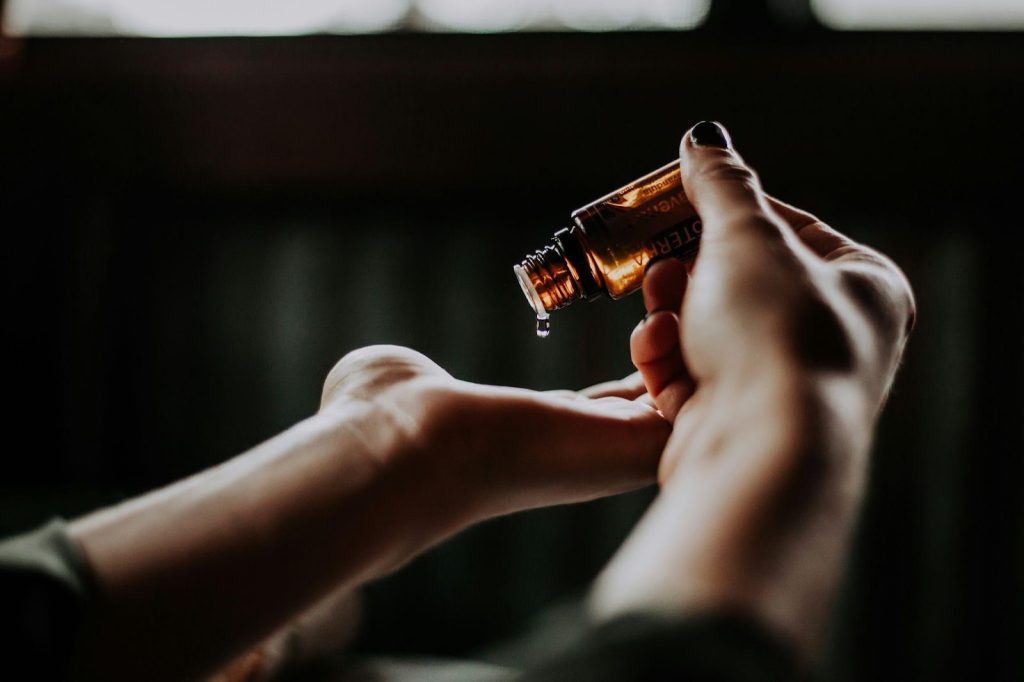
The microdosing trend has also encouraged innovation among wellness brands. Companies are experimenting with different combinations of cannabinoids, botanical extracts, and functional ingredients to create new product categories.
Brands such as Five operate within the broader market of cannabinoid-related wellness products, reflecting how companies are expanding offerings in response to rising interest in low-dose alternatives.
This competitive landscape has led to new formats such as low-dose beverages, precision-measured capsules, and functional gummies that combine cannabinoids with other wellness ingredients.
The Role of Precision Wellness
A key concept behind microdosing is precision wellness, which focuses on finding the optimal dose for an individual rather than relying on generalized recommendations. Some hemp industry analyses recommend beginning with very small amounts, sometimes as low as 1–2 milligrams, and gradually adjusting based on personal response.
This personalized approach reflects a broader shift in the wellness industry toward individualized routines supported by tracking, experimentation, and self-observation.
Regulation and Safety Considerations
As microdosing products become more widely available, regulatory frameworks continue to evolve. Laws governing cannabinoids, supplements, and botanical substances vary by region, which affects how products can be marketed and sold.
In some areas, certain edible products operate in legal gray zones, particularly when new compounds or alternative ingredients are introduced to the market.
Because of these complexities, consumers are often encouraged to research local regulations and consult professionals before experimenting with unfamiliar wellness products.
Microdosing and the Future of Wellness
The popularity of microdosing products reflects broader changes in how people approach health and lifestyle choices. Rather than relying solely on traditional supplements or pharmaceuticals, many consumers are exploring alternative wellness solutions that promise subtle, customizable effects.
As research continues and regulations evolve, microdosing products may become a more established part of the wellness landscape. Advances in formulation technology, precision dosing, and consumer education will likely shape the next phase of development in this rapidly growing category.
Liora Skye, founder of Magazinevalve, is a certified SEO professional and skilled writer with over 5.5 years of experience. She specializes in creating authentic, engaging, and well-researched celebrity blogs that connect with readers worldwide


