

Mistakes to Avoid When Removing Old Faded Tattoos

Getting rid of an old, faded tattoo might seem straightforward, but the removal process requires careful consideration and planning. Many people rush into tattoo removal without understanding the potential pitfalls, which can lead to disappointing results, unnecessary complications, or wasted money. Whether you’re removing a tattoo due to a change in lifestyle, career requirements, or simply because you’ve outgrown the design, knowing what mistakes to avoid will help ensure a safer and more successful experience.
Choosing Price Over Quality and Experience
One of the biggest mistakes people make is selecting a tattoo removal service based solely on cost. While everyone wants to save money, choosing the cheapest option can be a costly decision in the long run. Inexperienced technicians or outdated equipment may require more sessions, cause scarring, or deliver poor results that leave ghosting or discoloration.
Quality laser tattoo removal requires specialized training, proper certification, and investment in modern technology. Reputable clinics use advanced Q-switched or picosecond lasers that target ink particles more effectively while minimizing damage to surrounding skin. When researching laser tattoo removal in Hamilton, take time to read reviews, verify credentials, and ask about the specific technology being used before making your decision.
Skipping the Consultation Process
Many people are eager to start the removal process immediately and skip or rush through the initial consultation. This is a critical mistake because consultations allow professionals to assess your specific situation, including tattoo size, ink colors, skin type, and overall health factors that affect removal success.
During a proper consultation, you should receive realistic expectations about the number of sessions needed, potential risks, and estimated costs. This is also your opportunity to ask questions about aftercare, pain management, and what results you can reasonably expect. A reputable provider will never promise complete removal in just one or two sessions, as this is rarely possible with most tattoos.
Ignoring Proper Aftercare Instructions
The success of tattoo removal doesn’t end when you leave the clinic. Proper aftercare is essential for healing, preventing infection, and achieving the best possible results. Unfortunately, many people underestimate the importance of following post-treatment instructions carefully.
After each session, your skin needs time to heal and your immune system needs to flush out the fragmented ink particles. This means keeping the treated area clean, avoiding sun exposure, not picking at scabs or blisters, and following any specific care instructions provided by your technician. Failing to protect the area from UV rays can cause hyperpigmentation, while premature scab removal can lead to scarring.
Not Spacing Sessions Appropriately
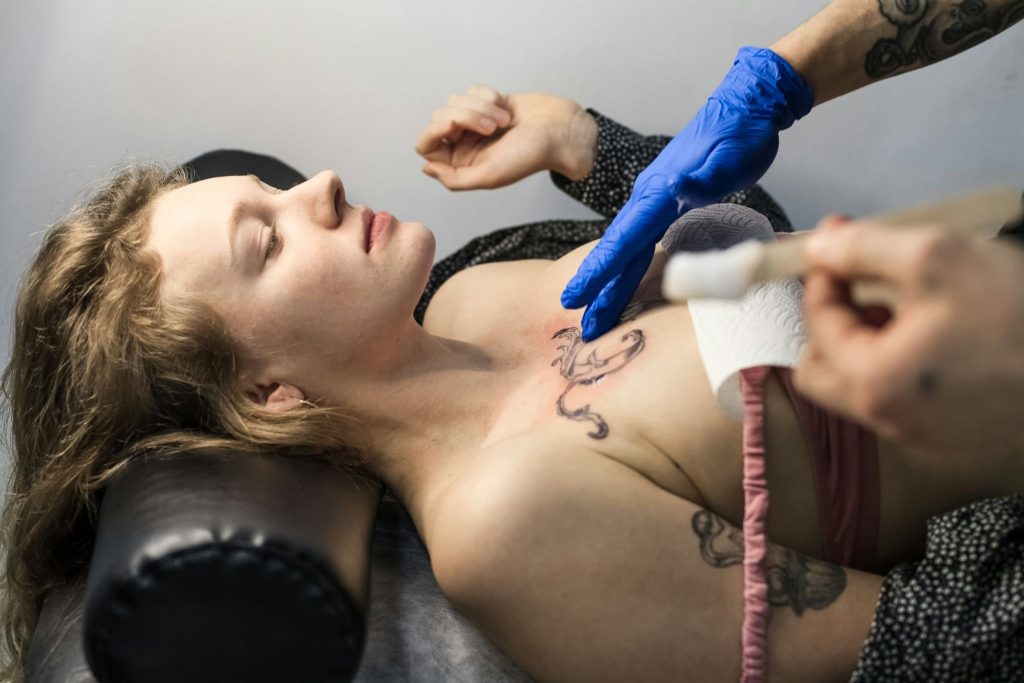
Impatience is a common problem when it comes to tattoo removal. Some people want to schedule sessions as close together as possible to speed up the process, but this approach can actually hinder results and increase the risk of complications.
Your body needs adequate time between sessions to break down and eliminate the ink particles that have been shattered by the laser. Most professionals recommend waiting at least six to eight weeks between treatments, though some situations may require even longer intervals. Rushing the process doesn’t make the tattoo disappear faster and can cause unnecessary stress to your skin and immune system.
Attempting DIY or Unproven Removal Methods
The internet is full of home remedies and DIY tattoo removal solutions promising quick and cheap results. From lemon juice and salt scrubs to chemical peels and dermabrasion tools, these methods are not only ineffective but potentially dangerous.
These unproven techniques can cause severe skin damage, permanent scarring, infections, and allergic reactions without actually removing the tattoo. Professional laser removal works by using specific wavelengths of light to break up ink particles, a process that cannot be replicated with household items or over-the-counter products. Always choose medically supervised removal methods performed by qualified professionals.
Neglecting to Research Your Technician’s Credentials
Not all laser technicians have the same level of training or expertise. Some states and provinces have minimal regulations regarding who can perform laser tattoo removal, which means unqualified individuals may be offering these services.
Before committing to a provider, verify their credentials, training, and experience specifically with laser tattoo removal. Ask how many procedures they’ve performed, what types of lasers they use, and whether they have experience with tattoos similar to yours in terms of color, size, and location. A qualified technician should be transparent about their background and happy to answer your questions.
Final Thoughts
Removing an old, faded tattoo is a significant decision that deserves careful planning and research. By avoiding these common mistakes, you’ll be better positioned to achieve safe, effective results while minimizing risks and disappointment. Take your time finding the right provider, follow all pre- and post-treatment instructions, and maintain realistic expectations throughout the process. Remember that successful tattoo removal is a journey that requires patience, proper care, and professional guidance every step of the way.
Liora Skye, founder of Magazinevalve, is a certified SEO professional and skilled writer with over 5.5 years of experience. She specializes in creating authentic, engaging, and well-researched celebrity blogs that connect with readers worldwide


