
Life After the Crash: Turning Injury Into a Second Act

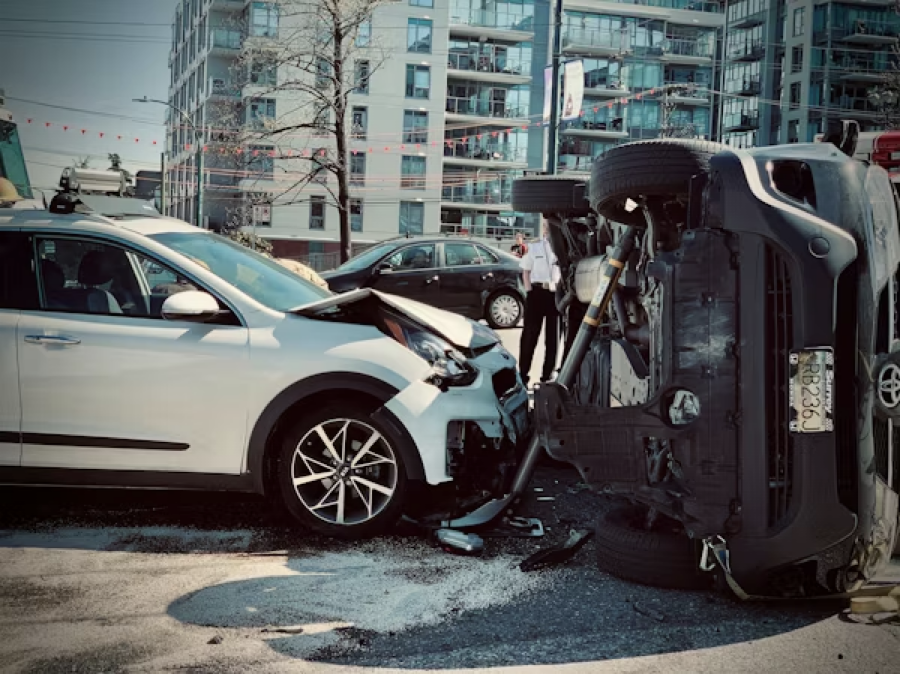
Life changes in a single second when a car crash happens. What used to be a routine commute turns into a series of doctor visits and insurance calls. It feels like the world has stopped, but this moment can be the start of a new chapter. Turning an injury into a second act is not about forgetting the past. It is about finding a new path and redefining what success looks like in your daily life. This transition takes patience and a willingness to look at the future with a fresh set of eyes.
The Reality of Modern Road Safety
Safety experts keep a close eye on the numbers to help prevent future incidents. Reports from the National Highway Traffic Safety Administration show that an estimated 17,140 people lost their lives in motor vehicle crashes during the first half of 2025. These figures remind us that road safety remains a major concern for everyone driving today. Every digit in that statistic represents a family dealing with a sudden change. Survivors often find themselves part of a group that must learn to navigate a world that feels much more dangerous than it did before.
Navigating the Legal Path
Dealing with the aftermath of a collision involves more than just physical healing. Many people find that working with personal injury lawyers helps them manage the complex paperwork and insurance requirements that follow a crash. This support allows a survivor to focus their energy on physical therapy and emotional recovery. Legal professionals take the weight of negotiations off your shoulders so you can rest. They understand the rules of the road and the laws that protect people who have been hurt by the negligence of others.
Understanding Long-term Health Impacts
Physical wounds often heal faster than the mental toll of a serious accident. A medical study recently highlighted that physical health loss is significant, yet the impact on mental health often lasts over a much longer period. Recognizing this shift helps survivors seek the right kind of care early on. Doctors usually focus on broken bones or cuts first – but the mind needs just as much attention. Seeking help for anxiety or depression is a standard part of the recovery process for many survivors.
The Economic Reality of Accidents
The costs of a crash extend far beyond the individual and hit the national economy. Research into road traffic accidents found that economic losses accounted for 1.85% to 2.35% of GDP between 2018 and 2024. These numbers represent medical bills, lost wages, and property damage that drain resources from communities. Paying for care can be a heavy burden for any family to carry alone. Understanding these broad costs helps society see why preventing crashes is such a high priority for local governments.
Tools for Adaptive Living

Adapting to a new physical reality requires patience and the right equipment. Health experts suggest that seeking out adaptive technologies can reduce the negative impact a disability has on your daily routine. Many tools exist to help people regain their independence in their own homes. These items make it possible to perform tasks that might have felt impossible just weeks before. Finding the right fit for your specific needs is part of the journey toward a new normal.
- Modified vehicles with hand controls
- Voice-activated home systems
- Ergonomic office equipment
- Advanced mobility aids
- Specialized kitchen utensils
Rebuilding Mental Security
Feeling safe again is a primary goal for anyone who has survived a traumatic event on the road. A systematic review of accident survivors noted that individual counseling is a key part of managing fear and rebuilding a sense of security. Talking through the experience with a professional provides a safe space to process negative emotions. It is normal to feel nervous when getting back behind the wheel or even riding as a passenger. Professional guidance helps you take those first steps back into the world with more confidence.
The Brain Can Heal
It is helpful to remember that the mind is just as resilient as any other part of the body. An article focusing on elite athletes pointed out that the brain can get injured and heal just like a muscle or bone. Recovery takes time – and persistence is the most important tool you have. Science shows that our nervous system can adapt and find new ways to function after an injury. This neuroplasticity is the foundation of many therapy programs used today. Trusting the process allows you to stay focused on the long-term goals of your recovery.
Moving forward after a crash is a journey that looks different for everyone. It requires grit to face the new challenges that come with a life-changing injury. By focusing on small wins each day, survivors can build a second act that is just as meaningful as the first. This transition is not easy, but it is a path many have walked before. Your story did not end at the crash site – it just took a turn in a new direction. Embrace the support around you and keep moving toward your next great achievement.
Liora Skye, founder of Magazinevalve, is a certified SEO professional and skilled writer with over 5.5 years of experience. She specializes in creating authentic, engaging, and well-researched celebrity blogs that connect with readers worldwide


