

Why Lightweight Roofing Has Become the Go-To Choice for UK Building Projects

Lightweight roofing refers to steel-based roof tiles that weigh roughly one seventh of traditional slate or concrete alternatives. These systems use pressed steel profiles coated with protective layers to deliver durability without the structural burden of heavier materials. The approach suits new builds, refurbishments, and conversions where weight restrictions apply or faster installation matters.
The UK roofing industry has shifted noticeably toward these solutions over the past decade. What started as a niche option for commercial buildings now appears across residential developments, housing association projects, and modular construction schemes. The reasons behind this shift tell us something about where construction priorities are heading.
The practical case for going lighter
I spent three weeks researching this topic and speaking with contractors who work with various roofing materials. The feedback kept circling back to the same points.
Traditional tiles create logistical headaches. You need more delivery trips. Storage on site takes up space. Installation requires more labour hours because each tile is heavier to handle. One roofing contractor in the Midlands told me his team completes lightweight roofing jobs in about half the time compared to slate. That time saving translates directly into lower labour costs and shorter project timelines.
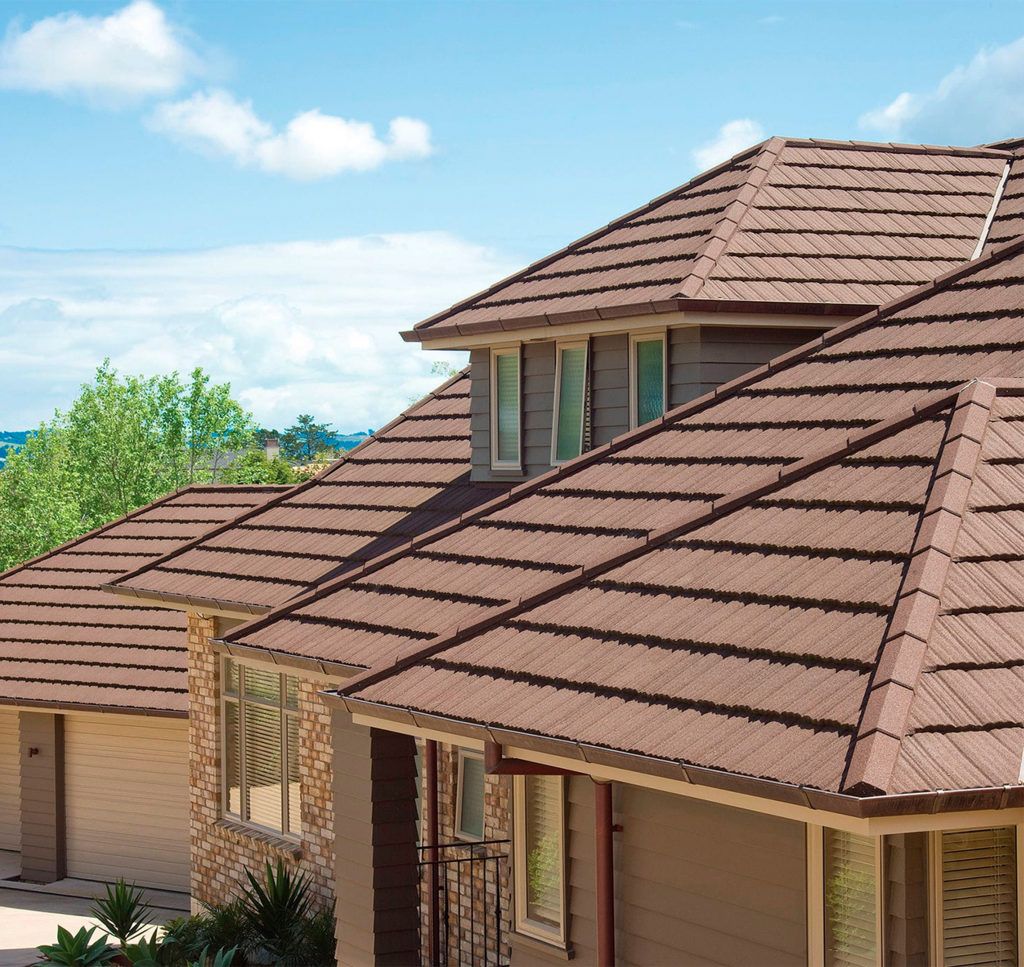
The weight difference also opens up possibilities that heavier materials simply cannot offer. Conservatory conversions, timber frame outbuildings, and flat to pitch conversions all become feasible when the roof system weighs a fraction of conventional options. I found multiple case studies where housing associations converted problematic flat roofs to pitched systems specifically because lightweight steel made it structurally possible.
Durability holds up under scrutiny
Steel roofing has faced scepticism over the years. Some people assumed metal roofs would be noisy in rain or vulnerable to rust. The reality differs from these assumptions.
Modern lightweight steel tiles use high grade Aluzinc steel with acrylic stone coatings that handle weathering well. Manufacturers now offer guarantees stretching forty years or longer. The actual lifespan often exceeds that figure with minimal maintenance required.
Storm performance deserves attention here. After Storm Eunice caused widespread roof damage across the UK in 2022, reports showed that properly installed lightweight steel systems held firm while traditional tiles came loose. The interlocking design and fixing method resist wind uplift better than tiles that simply rest on battens.
One housing association project in Peterborough replaced flat roofs across four tower blocks with approximately 3000 square metres of lightweight steel profiles. The existing flat roofs had caused persistent water ingress and damp issues. The new pitched system resolved these problems while adding visual appeal to buildings that had looked tired for decades.
Environmental considerations matter more now
Construction faces increasing pressure to reduce carbon footprints. Lightweight roofing contributes to this goal in several ways.
Transport emissions drop significantly when you can carry more material per delivery. The thin profiles stack efficiently on pallets. Fewer lorry journeys mean less fuel consumption and reduced road impact.
Steel itself is fully recyclable at end of life. Some manufacturers use recycled water systems in their production facilities and hold environmental certifications. When a steel roof eventually needs replacing – potentially fifty years or more down the line – the material goes back into the recycling stream rather than landfill.
The insulation benefits compound these advantages. Lightweight systems often incorporate thermal performance improvements that reduce heating demands over the building lifespan.
What the numbers suggest about market direction
UK housing output targets remain ambitious despite economic headwinds. The government wants 1.5 million new homes built over the current parliamentary term. Modular and offsite construction methods have emerged as potential solutions to speed up delivery.
Lightweight roofing fits naturally with modular building approaches. Factory built homes need roof systems that add minimal weight to transported units. The rapid installation characteristic matches the fast site assembly that makes modular construction commercially viable.
Several modular housing companies have standardised on lightweight steel roofing for their developments. The combination of low weight, quick fitting, and long term security aligns with what offsite manufacturers need.
Making the decision
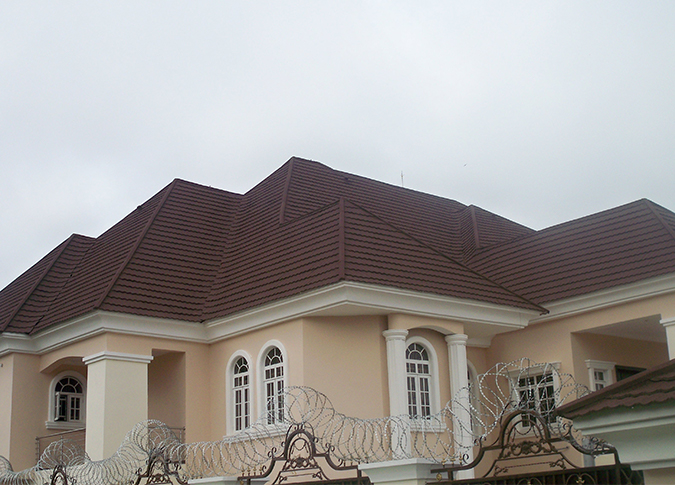
Your choice of roofing material affects construction costs, long term maintenance requirements, and building performance for decades. Traditional materials still work well for many applications. But the advantages of lightweight steel systems keep drawing more specifiers and contractors toward them.
The upfront material costs sit roughly comparable to slate or concrete tiles. Factor in reduced transport expenses, faster installation, and lower maintenance over time and the financial picture often favours the lighter option.
Projects with weight restrictions, tight timelines, or sustainability targets benefit most obviously. Yet standard residential and commercial developments increasingly adopt these systems simply because they perform well and make practical sense.
If you are planning a roofing project and want to explore what lightweight steel options might offer, start by looking at established manufacturers with strong track records in the UK market. Check their guarantees, installation networks, and technical support capabilities. The right supplier makes a difference to how smoothly your project runs.For more information on lightweight steel roofing systems and profiles available across the UK visit www.metrotile.co.uk.
Liora Skye, founder of Magazinevalve, is a certified SEO professional and skilled writer with over 5.5 years of experience. She specializes in creating authentic, engaging, and well-researched celebrity blogs that connect with readers worldwide


