

Why Everyday Muscle Comfort Is Becoming a Wellness Priority

Not long ago, muscle care was something people associated mostly with athletes, physical laborers, or injury recovery. Today, that perception is changing. Muscle comfort has entered the mainstream wellness conversation, right alongside sleep quality, hydration, and mental health. Scroll through any health publication or social feed and you’ll see people talking about mobility, soreness, and recovery as part of normal daily care.
Part of this shift comes from how we live and work. Many adults now spend long hours sitting, staring at screens, or repeating the same small movements throughout the day. Others try to balance busy schedules with exercise routines squeezed into limited free time. Both patterns can leave the body feeling tight or fatigued. In response, people are exploring simple, accessible ways to feel more comfortable in their bodies, from stretching routines to massage tools and topical options such as those found at https://medterracbd.com/collections/cbd-cream, which some individuals look into as part of a broader comfort-focused routine.
What’s notable is not just the variety of solutions, but the mindset behind them. Muscle comfort is no longer reactive; it’s becoming preventive.
The Modern Lifestyle and Everyday Strain
Modern life is, paradoxically, both sedentary and demanding. On one hand, many jobs require hours of sitting. On the other, people are encouraged to stay active, exercise regularly, and maintain high productivity. This combination can create a cycle of stiffness and fatigue.
Even low-impact routines can contribute to discomfort when done repeatedly. Typing, commuting, looking down at phones, and carrying bags all place subtle but cumulative strain on the body. Unlike acute injuries, these issues build slowly, making them easy to overlook until they start affecting daily comfort.
As awareness grows, people are paying more attention to how their bodies feel throughout the day. Small signals, tight shoulders, a sore lower back, or tired legs, are now seen as cues to adjust habits rather than ignore them.
The Preventive Wellness Mindset
Wellness culture has matured over the past decade. Instead of focusing only on appearance or performance, more people prioritize how they feel. Comfort, mobility, and sustainability are becoming central goals.
This preventive mindset shows up in simple behaviors:
- Taking short stretch breaks during work
- Using ergonomic furniture
- Warming up before exercise and cooling down after
- Building wind-down rituals in the evening
These habits may seem minor, but they reflect a larger philosophy: caring for the body consistently reduces the likelihood of bigger problems later.
The Role of Recovery in Overall Health
Recovery used to be discussed mostly in sports science. Now it’s part of everyday language. Fitness professionals emphasize that the body adapts and strengthens during recovery, not during exertion itself. Without enough rest or support, the benefits of activity can be limited.
Recovery doesn’t always mean complete rest. It can include gentle movement, hydration, sleep, and relaxation techniques. It can also include physical comfort measures that help the body feel at ease after daily strain.
According to Harvard Health Publishing, strategies such as stretching, massage, heat therapy, and mindful relaxation can support muscle comfort and promote a sense of physical ease when used appropriately. This guidance highlights that muscle care isn’t just for athletes, it’s relevant for anyone who uses their body, which is to say, everyone.
Stress and the Body Connection
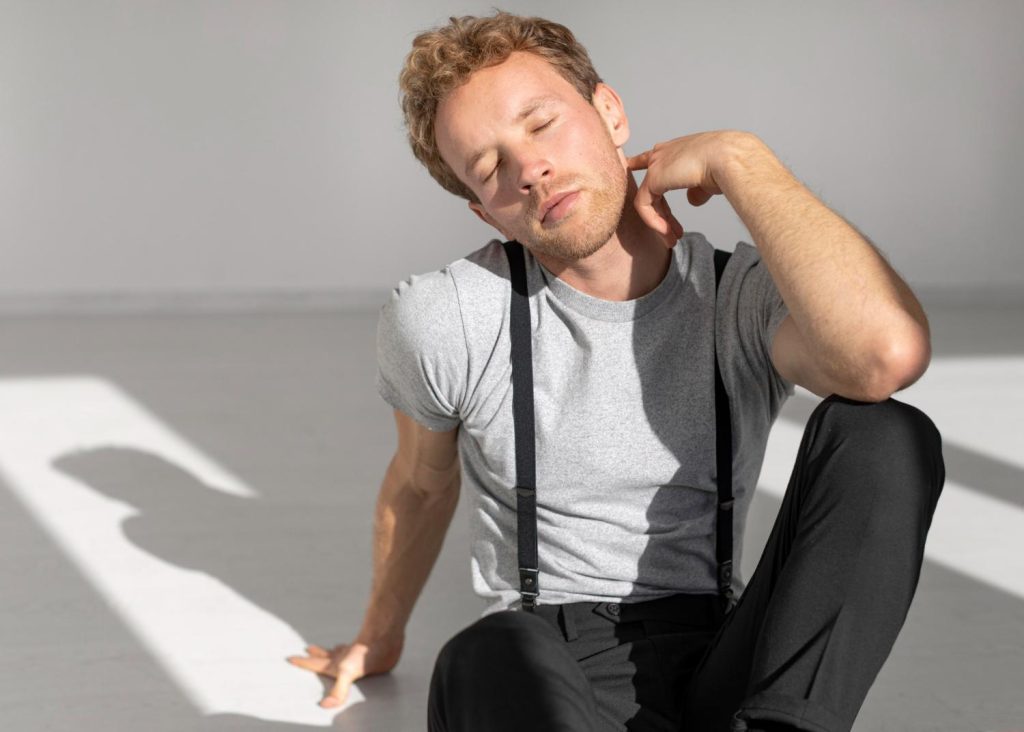
Another reason muscle comfort is gaining attention is the growing recognition of how stress manifests physically. Emotional tension often shows up as tight shoulders, clenched jaws, or general stiffness. When people address physical comfort, they often notice mental benefits too.
This mind-body link explains why many self-care routines combine relaxation with physical care. A warm bath, a short yoga session, or a calming evening routine can help signal to the body that it’s time to unwind.
As conversations around mental health become more open, people are also more willing to acknowledge the physical side of stress. Supporting muscle comfort becomes one small but meaningful part of managing overall well-being.
Accessibility of Wellness Information
Information is more accessible than ever. Social media, podcasts, and online publications have made wellness education widely available. People learn about posture, mobility, and recovery without needing specialized training.
This access empowers individuals to experiment with routines that suit their lifestyles. Not everyone has time for long workouts or spa visits, but many can manage a few minutes of stretching or a brief wind-down ritual.
The key trend here is personalization. Instead of following rigid programs, people build flexible habits around their own needs and schedules.
The Influence of Active Aging
Demographics also play a role. As populations age, many adults want to remain active and independent longer. Maintaining muscle comfort supports mobility, which in turn supports quality of life.
Active aging isn’t about extreme fitness; it’s about staying comfortable enough to enjoy daily activities. Walking, gardening, traveling, and playing with grandchildren all depend on functional movement and manageable comfort levels.
This perspective encourages people to start paying attention to muscle care earlier in life, rather than waiting until discomfort becomes a barrier.
Small Habits, Long-Term Impact
One reason muscle comfort fits well into modern wellness is that it doesn’t require dramatic change. Small, repeatable actions often have the biggest impact:
- Standing up regularly during work
- Light stretching before bed
- Gentle movement on rest days
- Listening to the body’s signals
These practices don’t demand perfection. They just require consistency.
Over time, people who adopt these habits often report feeling more in tune with their bodies. That awareness can influence other positive choices, from hydration to sleep routines.
A Balanced Perspective
It’s important to keep muscle comfort in perspective. It’s one piece of overall health, not a cure-all. Nutrition, sleep, mental well-being, and medical care all play essential roles too. The goal isn’t to chase constant optimization but to support the body in realistic, sustainable ways.
The growing focus on comfort reflects a healthier relationship with wellness, one that values balance over extremes. Instead of pushing through discomfort as a badge of honor, people are learning that respecting the body can be a smarter long-term strategy.
The rise of muscle comfort as a wellness priority signals a cultural shift. People are redefining what it means to be healthy. It’s less about intensity and more about sustainability. Less about appearance and more about how the body feels day to day.
As lifestyles continue to evolve, this focus will likely grow. Everyday recovery, gentle care, and body awareness fit naturally into modern life. They don’t require dramatic overhauls, just small, mindful choices repeated over time.
In the end, muscle comfort isn’t a trend. It’s a practical response to how we live now. And for many, it’s becoming a foundation for feeling better, moving easier, and maintaining quality of life in the long run.
Liora Skye, founder of Magazinevalve, is a certified SEO professional and skilled writer with over 5.5 years of experience. She specializes in creating authentic, engaging, and well-researched celebrity blogs that connect with readers worldwide


