

What Families Should Actually Know Before Buying Tombstones — and Why the Market Has Changed

Most people don’t think about tombstones until they have to. That’s not a criticism — it’s just the nature of the purchase. It arrives during the hardest weeks of a person’s life, with no prior research, no comparison shopping, and almost no frame of reference for what things should cost or what quality looks like.
That gap between need and knowledge is exactly what makes this category of purchase so easy to get wrong.
When a family begins researching tombstones, the first surprise is usually the range. Not just design — though the design options have expanded considerably in the past decade — but material type, finish quality, granite density, size restrictions by cemetery section, and the question of whether the price being quoted includes installation and foundation work or just the raw stone.

Understanding what you’re actually buying is the work nobody assigns to grieving families. But it matters.
The material conversation starts with granite, and for good reason. Dense, polished granite is the dominant material in American cemeteries for practical reasons: it doesn’t absorb moisture, it resists freeze-thaw cycles, it takes engraving cleanly, and it holds a polished finish without resealing or maintenance. That said, not all granite is equivalent. Density and grain consistency vary by quarry source, and a low-density stone cut to look identical to a premium piece will show the difference within ten to fifteen years of outdoor exposure.
Colors available in the current American market run considerably wider than most families expect. Indian Black is the most common — a deep, polished stone from India that provides maximum contrast for white-engraved inscriptions and imagery. Blue Pearl, quarried in Norway, has an iridescent quality that shifts in outdoor light. Balmoral Red from Finland is warm and distinctive. Carrara White reads almost like marble. Each brings a different tone to the grave site, and which one fits depends on the cemetery environment, the family’s visual instincts, and occasionally what the cemetery section specifically permits.
The cemetery permissions question deserves its own conversation. Individual cemeteries — and even specific sections within those cemeteries — have regulations about acceptable stone types, maximum and minimum dimensions, base requirements, and sometimes the permitted height above grade. Buying a tombstone before confirming these parameters is how expensive mistakes happen. Families in California, Texas, Pennsylvania, and Ohio who’ve navigated this process describe the verification step as one of the most practically important parts of the entire purchase.
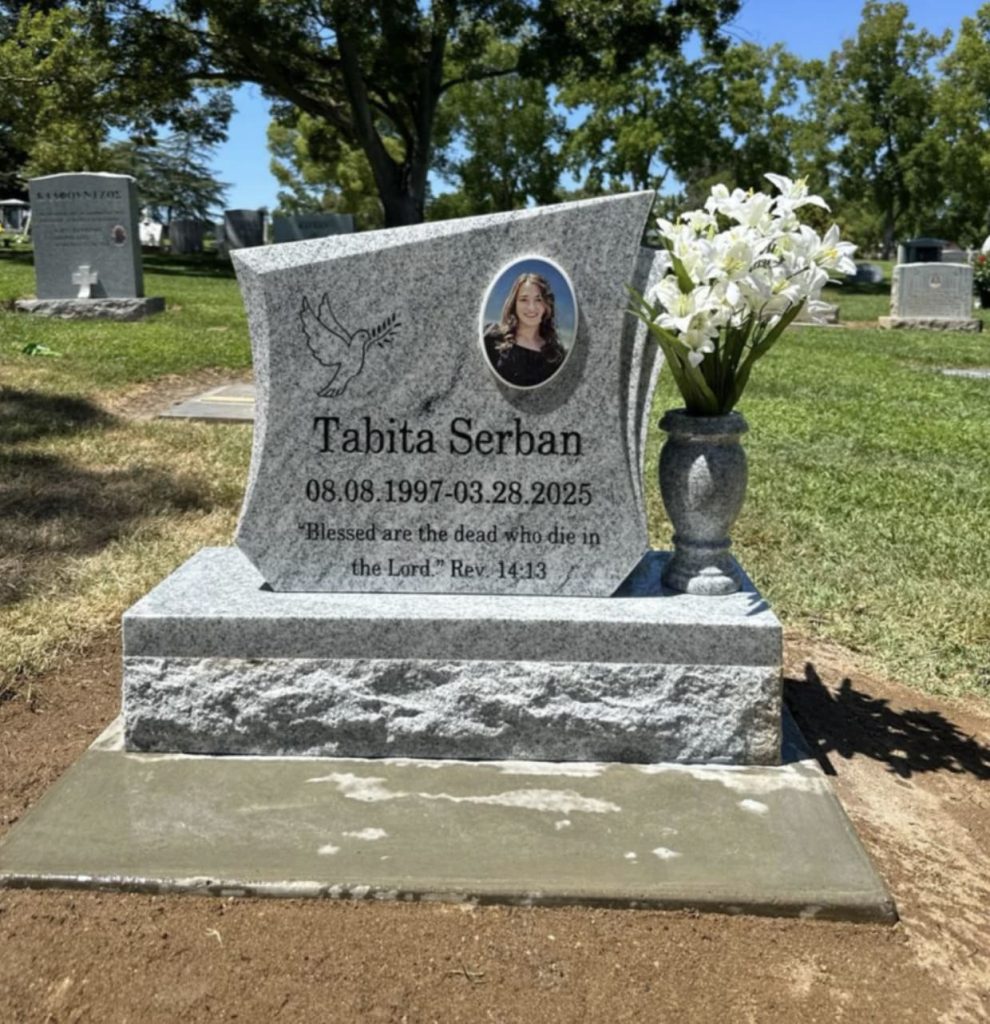
Most families don’t know they can purchase a tombstone independently of the cemetery or funeral home. The assumption that the preferred vendor the funeral home recommends is the only option isn’t accurate — and the vendor relationship the funeral home maintains is not always structured to favor the family’s budget. Shopping independently, comparing prices that include the full service package (stone, engraving, delivery, cemetery coordination, installation), and asking for a written quote that itemizes each component produces better outcomes for most families.
The design process has also changed substantially. The most notable development in recent years is the 3D design preview and augmented reality visualization that some manufacturers now offer directly on product pages. Instead of approving a paper proof and hoping the scale feels right at the grave, families can see the fully rendered stone in three dimensions before production begins. AR visualization — pointing a phone at any surface to see the stone at actual size in a real environment — addresses one of the most consistent sources of post-installation disappointment: the stone being larger or smaller than imagined.
Financing is another area where the conversation has shifted. Installment plans, 0% in-house financing, and third-party options like Klarna have made it possible for families to order quality memorials without absorbing the full cost during an already financially difficult period. Veterans’ discounts — typically 30% off — and first responder discounts are available from several manufacturers. Pre-need planning, which locks in current pricing for a memorial that will be needed in the future, is a financial decision that pays off meaningfully in most cases given that material and labor prices have risen consistently.
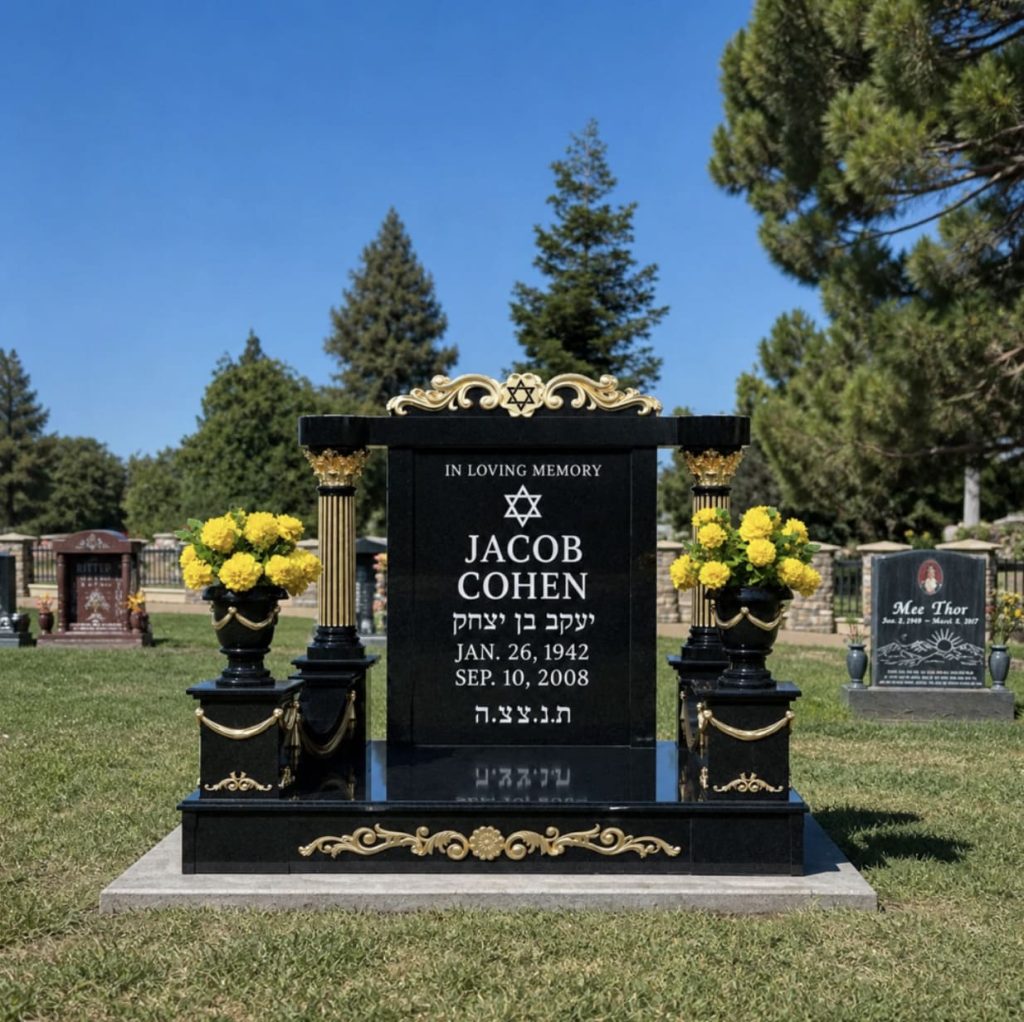
Reviews of the experience — not just the product — carry real weight in this industry. The consistency with which families describe the process as either “seamless” or “difficult” usually depends on whether the company handled cemetery coordination themselves or left that work to the family. Companies that confirm section dimensions, prepare and submit cemetery documentation, manage foundation preparation, and install the stone themselves represent a fundamentally different service level from those that deliver a stone to the gate and consider the job done.
The tombstone market is larger than most people realize — and the quality range is wider. For families in states including North Carolina, Illinois, Washington, Oklahoma, New Jersey, and Florida, the option to work with a direct manufacturer that serves multiple states and maintains physical showrooms removes the compromise between local service and production quality.
The choice doesn’t have to be rushed. A temporary marker can hold a space while the family takes the time to make a decision they won’t need to revisit for a hundred years.For families beginning this process, Remembrance Headstones is a full-cycle manufacturer with 14 showroom locations across 8 states, transparent online pricing, and a lifetime guarantee on every stone.
Liora Skye, founder of Magazinevalve, is a certified SEO professional and skilled writer with over 5.5 years of experience. She specializes in creating authentic, engaging, and well-researched celebrity blogs that connect with readers worldwide


