

The Rise of At-Home Wellness: How Living Spaces Are Evolving

In recent years, the concept of home has undergone a quiet transformation. Once primarily seen as a place to rest between busy schedules, it is now being reimagined as a space that actively supports well-being. This shift reflects a broader change in how people approach health, not as something addressed occasionally, but as something woven into daily life.
The modern home is no longer just functional; it is intentional. From lighting choices to spatial layout, every element is increasingly designed to influence how people feel, think, and recover. As work, leisure, and rest continue to converge within the same environment, the need for spaces that promote balance has become more apparent.
Wellness as a Design Priority
Wellness is no longer confined to gyms, spas, or retreats. It is becoming an integral part of residential design. Homeowners are seeking ways to incorporate features that support both physical and mental health, often prioritizing long-term benefits over short-term convenience.
This can take many forms, natural materials that create a calming atmosphere, improved air quality systems, or dedicated areas for relaxation and mindfulness. The goal is not to replicate luxury experiences, but to create environments that encourage consistency. Small, repeated moments of recovery often have a greater impact than occasional, intensive efforts.
The Emergence of Personal Recovery Spaces
One of the most notable trends in this shift is the rise of personal recovery spaces within the home. These are areas specifically designed to help individuals disconnect from external pressures and reconnect with themselves.
Unlike traditional living areas, recovery spaces are defined by their purpose rather than their appearance. They are quiet, uncluttered, and intentionally separated from high-activity zones. This separation helps signal a transition, from productivity to rest, from stimulation to calm.
For some, this might be a reading corner or a meditation space. For others, it extends to more immersive environments that support deeper physical relaxation. The growing interest in solutions found at https://premiumsaunas.com/ reflects how homeowners are exploring ways to integrate structured wellness experiences directly into their living spaces, bringing elements of traditional spa environments into a more personal, accessible setting.
The Psychology of Space and Recovery
The effectiveness of these spaces is closely tied to how they are designed. Environmental psychology suggests that our surroundings play a significant role in regulating stress, focus, and emotional well-being.
Elements such as lighting, texture, and temperature can subtly influence how the body responds to a space. Warm lighting, for example, encourages relaxation, while natural materials like wood or stone can create a sense of grounding. Even the absence of noise or visual clutter can have a measurable impact on mental clarity.
By understanding these factors, homeowners can create environments that not only look appealing but also function as tools for recovery.
Blending Function with Experience
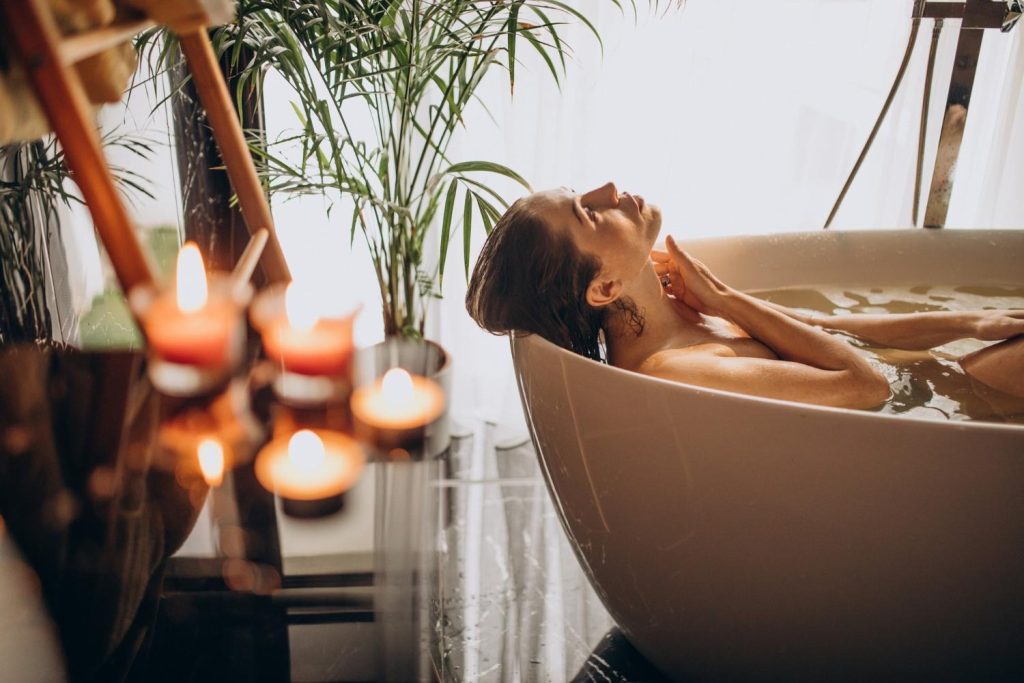
What sets modern wellness design apart is its focus on experience rather than appearance. It is not about adding features for the sake of aesthetics, but about creating interactions that support well-being.
This approach encourages a more thoughtful integration of elements within the home. Instead of isolated upgrades, each addition is considered in relation to how it contributes to the overall environment. A relaxation space, for instance, is not just defined by what it contains, but by how it connects to the surrounding areas, how it invites use, and how it supports routine.
This shift from visual design to experiential design reflects a deeper understanding of what people need from their living spaces.
Accessibility and Everyday Use
One of the reasons at-home wellness has gained momentum is its accessibility. Traditional wellness experiences often require time, travel, and planning, making them difficult to sustain regularly. By bringing these elements into the home, individuals remove many of these barriers.
This accessibility supports consistency, which is key to long-term well-being. When relaxation and recovery become part of a daily routine rather than an occasional activity, their benefits are more noticeable and more sustainable. It also changes the way people think about self-care. Instead of viewing it as an extra task, it becomes a natural extension of everyday life.
Rethinking Luxury
The integration of wellness features into the home also challenges traditional ideas of luxury. Where luxury was once defined by excess or exclusivity, it is now increasingly associated with quality of experience.
A well-designed space that supports rest and recovery can be more valuable than one that simply impresses visually. This shift reflects a broader cultural change, where people are prioritizing how they feel over how things appear. In this context, wellness features are not indulgences, but investments in long-term quality of life.
As living spaces continue to evolve, the integration of wellness is becoming less of a trend and more of a standard. The home is no longer just a backdrop for daily life, it is an active participant in shaping it.
By designing with intention, focusing on experience, and prioritizing recovery, homeowners are redefining what it means to live well. The result is a more balanced, responsive environment, one that supports not just how we live, but how we feel every day.
Liora Skye, founder of Magazinevalve, is a certified SEO professional and skilled writer with over 5.5 years of experience. She specializes in creating authentic, engaging, and well-researched celebrity blogs that connect with readers worldwide


