

Smarter Firewood Prep: How Modern Tools Are Changing the Game

For many homeowners, especially in rural and semi-rural areas, firewood remains an important part of home heating, outdoor living, and emergency preparedness. The sight of neatly stacked logs still represents self-reliance and seasonal readiness. But the way people prepare that firewood is evolving. Instead of relying solely on axes and manual labor, more homeowners are turning to modern tools and educational resources from companies like Equipment Outfitters to make the process safer and more efficient. Firewood preparation today is less about brute strength and more about smart technique.
While splitting wood might look straightforward, anyone who has done it regularly knows it can be time-consuming and physically demanding. That’s one reason technology and better equipment are reshaping how people approach this age-old task.
The Comeback of Wood Heat
Wood heat is far from outdated. In fact, it’s seeing renewed interest. Rising energy costs and concerns about grid reliability have encouraged some households to maintain alternative heating sources. Wood stoves and fireplaces provide not only warmth but also a sense of resilience during power outages.
Beyond heating, firewood is also popular for outdoor fire pits, camping, and cooking. From backyard gatherings to rural homesteads, the demand for properly prepared firewood remains steady.
Why Proper Firewood Prep Matters
Good firewood isn’t just about having logs, it’s about having the right logs. Wood that is poorly split or not properly seasoned can:
- Burn inefficiently
- Produce more smoke
- Create excess creosote in chimneys
- Deliver less heat output
Properly split and dried firewood burns cleaner and hotter. That improves both comfort and safety.
The Physical Demands of Traditional Splitting
Manual splitting with a maul or axe is effective but physically intense. It requires strength, stamina, and good technique. For some, it’s a satisfying exercise. For others, it can be exhausting or even risky if done incorrectly.
Fatigue often leads to mistakes, and mistakes can lead to injury. Strains, sprains, and impact injuries are not uncommon among people who split large volumes of wood by hand.
That’s where modern solutions come in, not to replace skill, but to reduce unnecessary strain.
How Modern Equipment Helps
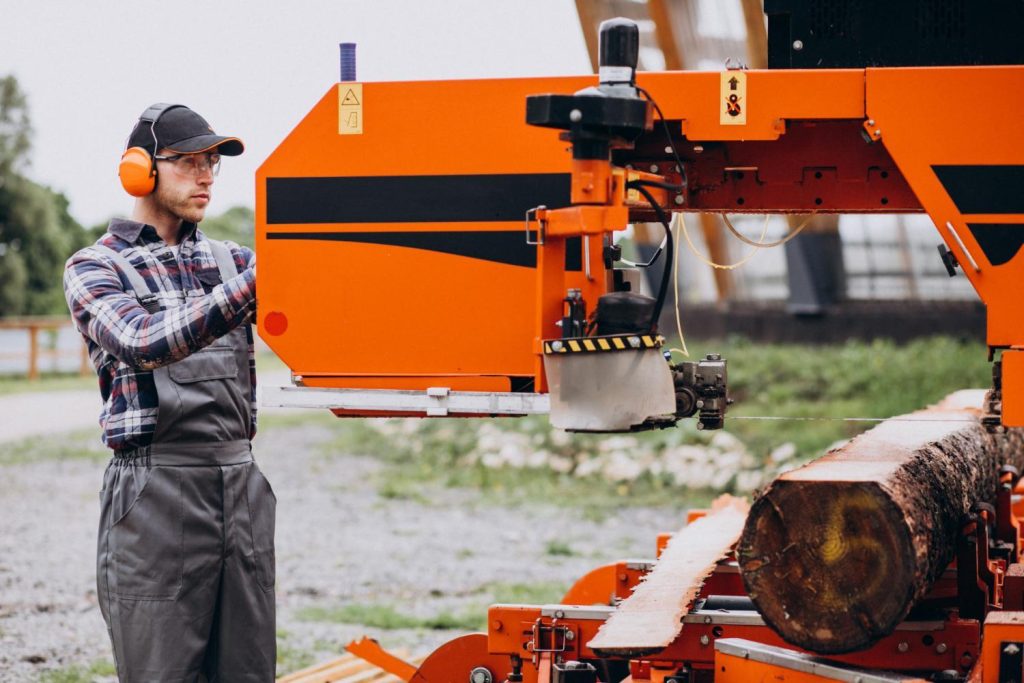
Today’s firewood tools are designed with efficiency and safety in mind. Many options reduce the repeated impact and heavy lifting traditionally required. This allows homeowners to process wood faster and with less fatigue.
Modern equipment also helps people of different ages and physical abilities handle tasks that might otherwise be too demanding. For households that rely on wood heat throughout winter, that efficiency matters.
Importantly, better tools don’t remove responsibility. Safe operation, proper setup, and protective gear are still essential.
What the Research Says About Wood Burning
The U.S. Environmental Protection Agency (EPA) provides guidance on residential wood heating and emphasizes the importance of burning properly seasoned firewood. According to EPA recommendations, dry wood burns more completely and produces fewer emissions than wet or green wood.
This highlights a key point: preparation quality affects not just convenience, but environmental impact. Efficient burning reduces smoke and improves air quality.
Seasoning: The Step Many Overlook
Freshly cut wood contains significant moisture. Burning it too soon leads to poor combustion. Ideally, firewood should season for six months to a year, depending on the type of wood and climate.
Good seasoning involves:
- Splitting logs to expose surface area
- Stacking wood off the ground
- Allowing airflow between rows
- Protecting from rain while keeping sides open
Well-seasoned wood often has cracks on the ends and a hollow sound when knocked together.
Safety Still Comes First
No matter the method, safety should guide every step. Gloves, eye protection, and stable footing are basic requirements. Work areas should be clear of bystanders, especially children and pets. It’s also wise to avoid rushing. Firewood prep is not a race. Steady, careful work prevents accidents.
Firewood as Part of Self-Reliance
For many, preparing firewood is about more than heat. It represents independence and preparedness. Having a wood supply can provide peace of mind during storms or outages. There’s also a simple satisfaction in stacking a winter’s worth of fuel. It’s a visible reward for effort and planning.
A Blend of Tradition and Innovation
Firewood preparation connects people to older traditions, but it doesn’t have to stay stuck in the past. Today’s homeowners often blend traditional knowledge with modern efficiency. They respect the craft while using tools that make sense for their lifestyle. This balanced approach keeps the practice accessible to more people.
As energy awareness grows and homeowners seek practical skills, firewood preparation will likely remain relevant. Whether for heating, recreation, or emergency readiness, the need for well-prepared wood isn’t going away.
What is changing is how people approach the task. Efficiency, safety, and sustainability now shape decisions more than ever.
In the end, the goal is simple: warm fires, safe homes, and smart use of resources. When preparation is done thoughtfully, firewood continues to be one of the most reliable and rewarding energy sources available.
Liora Skye, founder of Magazinevalve, is a certified SEO professional and skilled writer with over 5.5 years of experience. She specializes in creating authentic, engaging, and well-researched celebrity blogs that connect with readers worldwide


