

How Proper Tire Maintenance Improves Safety and Saves Money

Most drivers know they should change their oil and check their brakes, but tire maintenance often receives less attention than it deserves. Yet tires are the only part of a vehicle that directly touches the road, making their condition critical for safety, comfort, and efficiency. That’s why many drivers start researching topics like tire balancing vs alignment when they notice vibrations, uneven wear, or steering changes. Understanding these fundamentals helps drivers make smarter decisions and avoid unnecessary expenses.
Tire maintenance isn’t just for car enthusiasts. It’s basic vehicle care that affects anyone who drives regularly. And the benefits go far beyond smoother rides.
Tires Are Your First Safety System
Every maneuver on the road, braking, turning, accelerating, depends on tire grip. If tires are worn or uneven, that grip decreases. This can increase stopping distances and reduce control, especially in wet or slippery conditions.
Many drivers underestimate how much tire condition influences safety. Modern vehicles include advanced safety features, but those systems still rely on traction. Even the best braking system cannot perform well if the tires lack proper contact with the road.
Good tire maintenance supports the entire safety system of a vehicle.
Uneven Wear Costs Real Money
Tires aren’t cheap, and replacing them prematurely can strain a budget. One of the biggest causes of early replacement is uneven wear.
When tires wear unevenly, parts of the tread become unusable even if other areas still look fine. Drivers end up replacing tires sooner than expected.
Common causes include:
- Incorrect tire pressure
- Lack of rotation
- Suspension issues
- Balance or alignment problems
Addressing these early extends tire life significantly.
Fuel Efficiency Starts at the Ground
Many people don’t realize that tire condition affects fuel economy. Underinflated or poorly maintained tires create more rolling resistance. That means the engine works harder and burns more fuel.
Even a small drop in efficiency adds up over time. For drivers who commute daily or take long trips, proper tire care can translate into noticeable fuel savings each year.
In this way, tire maintenance isn’t just about safety, it’s also about cost control.
Ride Comfort and Vehicle Handling
Have you ever felt a steering wheel vibration at highway speeds? Or noticed your car pulling slightly to one side? These issues often relate to tire or wheel conditions.
A well-maintained tire setup provides:
- Smoother driving
- Better steering response
- Reduced vibration
- More predictable handling
These factors make driving more comfortable and less tiring, especially on long journeys.
Regular Checks Make a Big Difference
The good news is that tire care doesn’t require deep mechanical knowledge. Simple habits go a long way.
Drivers can:
- Check tire pressure monthly
- Rotate tires at recommended intervals
- Inspect tread wear visually
- Pay attention to new vibrations or pulling
These steps take little time but prevent larger problems.
Seasonal Awareness Matters
Temperature changes affect tire pressure. Cold weather lowers pressure, while heat increases it. That’s why tire checks are especially important during seasonal transitions.
Drivers in areas with harsh winters or hot summers should be particularly mindful. Seasonal shifts can accelerate wear if pressure isn’t adjusted.
Being proactive helps maintain consistent performance.
What Safety Experts Emphasize
Tire safety is widely recognized by transportation authorities. The National Highway Traffic Safety Administration (NHTSA) frequently highlights tire maintenance as a key factor in preventing breakdowns and crashes. Proper inflation and tread depth are among their core recommendations.
This reinforces that tire care isn’t optional, it’s part of responsible driving.
The Long-Term Financial View
It’s easy to delay maintenance when a car seems to run fine. But tire neglect often leads to higher costs later. Replacing tires early, using more fuel, or dealing with suspension wear can become expensive.
In contrast, regular maintenance spreads costs into smaller, predictable amounts. It protects both the vehicle and the wallet.
Drivers who stay consistent usually spend less over the life of the car.
Tires Affect Other Components
Tires don’t operate in isolation. Poor tire conditions can stress suspension and steering components. That extra strain can lead to additional repairs.
Maintaining tires properly helps protect these related systems. It reduces overall wear on the vehicle.
Building a Simple Routine
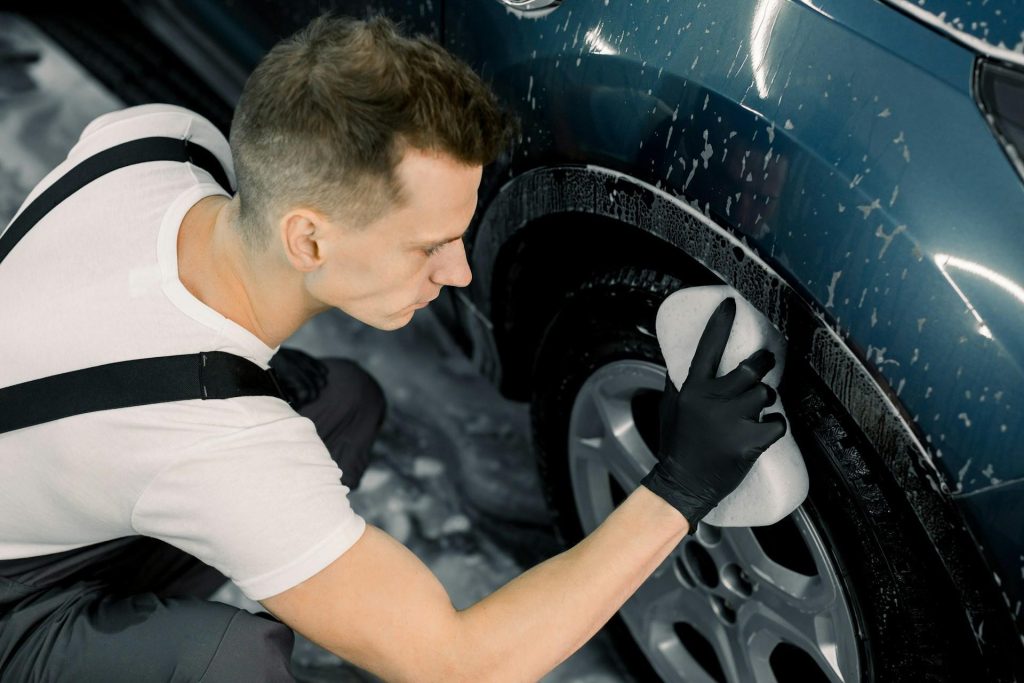
A practical tire-care routine might include:
- Monthly pressure checks
- Rotations every several thousand miles
- Visual inspections for damage
- Professional inspections during service visits
These habits quickly become routine and require minimal effort.
Peace of Mind on the Road
Well-maintained tires provide confidence. Drivers worry less about blowouts, poor traction, or unexpected handling issues. That peace of mind makes everyday driving safer and more comfortable.
For families especially, reliability matters. Knowing the car is in good shape reduces travel stress.
Tire maintenance is one of the simplest yet most impactful forms of car care. It improves safety, extends tire life, enhances comfort, and reduces long-term costs.
Understanding basic concepts and paying attention to early signs can prevent bigger issues. Drivers don’t need to be experts, just attentive and consistent.
In the end, tires support every mile you drive. Taking care of them is one of the smartest investments you can make in your vehicle’s performance and your own safety.
Liora Skye, founder of Magazinevalve, is a certified SEO professional and skilled writer with over 5.5 years of experience. She specializes in creating authentic, engaging, and well-researched celebrity blogs that connect with readers worldwide


