

How Local Movers In Boston Help Busy Families Plan A More Organized Move

A family never moves out during that perfectly open part of a week. There should be school bags by the door, work calls running late, some dinner uncooked, and someone looking for the scissors. On paper, moving is packing boxes and loading a truck. In life, and especially for families, it is a sequence of tiny matters to be done simultaneously.
Therefore, keeping everything carefully organized is critical. A sound relocation arrangement leaves the family some space for thought, parents maintain the routines instead of collapsing them, kids know what to expect, and the family does not find itself spending every evening in the living room between well-packed boxes. With proper assistance and a more peaceful strategy, moving into a new home can be less of a running contest and more of a feasible switch.
Inventory Lists Reduce Everyday Confusion
A family inventory does not have to be formal or overly detailed. A shared phone note, a few photos, or a printed checklist can do the job. The purpose is simply to remember where important belongings went. Laptops, school documents, medicines, pet records, chargers, fragile items, and first-week boxes are worth tracking because those are usually the things people need when everyone is tired.
This becomes even more useful when different family members are packing at different times. One person may clear the pantry, another may pack coats, and an older child may fill a box with toys and forget to label it. Without a basic record, small searches can eat up surprising amounts of time. A simple list gives the household a little backup memory when the move starts feeling busy.
Movers Help Room Labels Control Packing
Room-by-room packing is not exciting, but it does save families from a lot of later frustration. When kitchen items, toys, school supplies, and bathroom products get mixed together, unpacking becomes a guessing game. A better approach is to give every room its own clear category, even if the packing happens slowly over several evenings after dinner or during short weekend windows.
Clear room labels also help Boston movers place boxes where they actually belong when the truck arrives at the new address. A box marked “upstairs bedroom, open first” is far more helpful than one marked “stuff.” It keeps tired parents from dragging cartons around later. More importantly, it helps the new home become usable faster, even before every shelf and drawer is finished.
Building Rules Can Shape the Whole Plan
Boston-area moves often involve details that are easy to underestimate. A condo may require elevator reservations. An apartment building may allow moving only during certain hours. Some streets may need parking planning, and older buildings can have narrow stairs or tight doorways. These issues are not small if they slow the crew down or create problems with building management.
Families should check those rules early instead of leaving them for the final week. It helps to ask about loading areas, certificates, elevator padding, service entrances, and move-in windows. None of it feels glamorous, but it can make or break the schedule. When access is clear before the truck arrives, the day usually runs with fewer stops, fewer awkward surprises, and less pressure on the family.
Packing Strategy Protects Busy Family Routines
Packing everything early sounds efficient until someone needs the lunch containers, a favorite jacket, or the only charger that still works. Families do better when they separate “can go now” items from “still needed” items. Décor, extra bedding, board games, old files, spare towels, and out-of-season clothes are usually safe to pack first without causing daily inconvenience.
The last few boxes should be treated differently. Toiletries, medicines, work items, school clothes, snacks, pet food, basic kitchen tools, and bedtime essentials should stay easy to reach. Many families use one personal bag or box for each person. It may not look perfectly organized, but it works. On the first night, nobody wants to dig through twelve boxes just to find pajamas or a toothbrush.
Family Timelines Need Local Moving Support
Doing only the heavy lifts you cannot manage sensibly can take a lot of the stress out of a home move for a busy family. When one parent works in an office, while the other handles school runs, and the end of the week comes after the weekend, existing plans have already filled, it can seem hard to even start packing. Do not push the harder parts out to the last few exhausted hours of the move; hire a team to do the job for you from local movers in Boston.
A workable timeline usually starts with the least-used spaces. Storage bins, guest-room closets, extra linens, books, and seasonal items can be handled earlier without disturbing daily life. Then the family can move toward bedrooms, kitchen goods, and everyday supplies. This kind of pacing keeps the movie from taking over the whole house too soon, which makes a real difference when normal life still has to continue.
Children Need Structure During Moving Days
Children often feel the move in ways adults do not notice right away. Their room changes first. Their toys disappear into boxes. Their usual routines get interrupted, even when everyone keeps saying the move is exciting. Giving children small, simple jobs can help them feel involved instead of pushed aside during the busiest parts of the process.
A child might choose what goes in a first-night bag, label a toy box, or keep a small backpack of favorite items nearby. Parents can also explain the day in plain language: what will happen first, when things will leave, and where everyone will sleep that night. Those little points of certainty help. Moving is still a change, but it does not have to feel mysterious.
Scheduling Support Saves Valuable Family Time
For many households, the most valuable part of professional movers in Boston is not only the lifting. It is the time families get back. Parents may already be handling address changes, school notices, utility transfers, work deadlines, and children’s emotions. Adding furniture lifting and truck organization on top of that can stretch everyone too thin.
Time saved during the move often shows up after arrival as well. When beds are assembled sooner, boxes land in the right rooms, and important items are easier to find, the family settles faster. The first week may still be messy, of course. But there is a big difference between a manageable mess and complete chaos, especially when work and school restart almost immediately.
Fragile Items Need Careful Moving Support by Movers
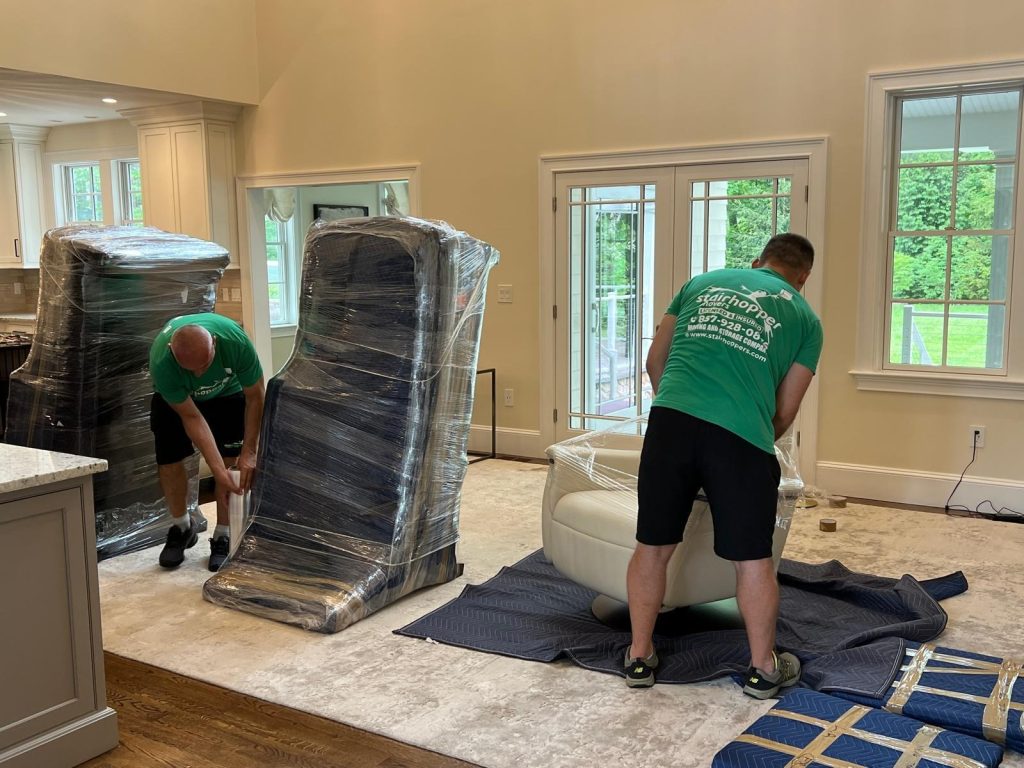
Every family owns a few things that make people slow down. A framed wedding photo, a child’s art project, inherited furniture, glassware from a relative, a guitar, or a carefully chosen piece of décor may not be replaceable in the usual sense. Movers in Boston can help families handle those items with more care instead of rushing them into whatever box happens to be open.
Fragile planning is easier before moving day, not during it. Families can group delicate items in one corner, point them out early, and mention anything that needs special handling. Some pieces may need wrapping, padding, disassembly, or careful truck placement. That small conversation can prevent a lot of worry later, especially when the pace picks up, and everyone is trying to keep the day moving.
Clear Communication Prevents Moving-Day Stress
Moving day becomes harder when instructions are scattered between texts, memory, and last-minute comments shouted from another room. Families should keep the basic details in one place: addresses, entry points, parking notes, elevator times, phone numbers, and any items needing special care. It does not need to be complicated. It just needs to be clear enough for everyone involved.
It also helps to mark anything that should not be loaded. Donation bags, trash, items staying with the property, and belongings going into storage should be separated before the crew begins. A quick walkthrough at the start can catch these things early. Once boxes start moving out quickly, assumptions become risky. Clear communication keeps the day steadier and prevents avoidable mix-ups.
Local Knowledge Helps Families Move Smarter
A move can be short in distance and still complicated in practice. Around Boston, traffic, street parking, older staircases, narrow halls, and building rules can all affect the day. Boston area movers with local experience can help families prepare for these practical details instead of assuming a nearby move will automatically be simple.
That local understanding can shape better timing, too. A certain street may be difficult during school pickup. Another building may be easier before traffic builds. A neighborhood may have parking limits that need planning before the truck arrives. These details sound small, but they matter when a family is trying to move without losing the whole day to delays and frustration.
Unpacking Plans Makes Settling in Easier
The move is not really over when the truck is empty. Someone still needs to find plates, towels, chargers, school bags, pet food, and clean clothes. Families usually do better when they unpack for function first. Bedrooms, bathrooms, kitchen basics, children’s essentials, and work items should come before décor, keepsakes, or anything that can wait a few more days.
Good placement during unloading helps a lot. Movers in Boston can put boxes in the right rooms, which saves families from moving heavy cartons again after a long day. Labels like “open first,” “week one,” and “later” also make unpacking less overwhelming. The home may not look finished right away, but it can feel livable sooner, which is what most families need first.
School Schedules Need Early Coordination
School routines can become surprisingly tricky during a move. Children may still need uniforms, laptops, homework folders, lunch boxes, sports gear, and permission slips while half the house is packed. Keeping school items in clearly marked bags or bins can prevent morning panic. It is a small thing, but in a moving week, small things can decide whether the day starts calmly or badly.
Parents may also need to handle transport changes, teacher updates, records, or after-school arrangements before moving day. If children are changing schools, those details deserve even more attention. If they are staying in the same school, pickup routes and timing may still change. Sorting this early helps protect the family’s normal rhythm while the rest of the household is temporarily upside down.
Storage Choices Can Reduce Pressure
Not every family move lines up neatly. A closing date may shift. Renovation work may take longer. The new home may not be ready for every piece of furniture. In those situations, storage can give the family some breathing room. It allows them to decide what needs to arrive immediately and what can wait until the space is ready.
It can also be a relief to save some items to unbox gradually. Squeezing the new home full of seasonal decorations, extra chairs, archived paperwork, rarely used items, and furniture that has no clear spot is not a mandatory happening on the first day. Instead, families can establish the rooms they require immediately and bring in the rest over a more extended time. It is much more feasible for most families with children and tight schedules.
Final Walkthroughs Prevent Forgotten Details
A final walkthrough might sound like the easiest step, but many families are exhausted and are eager to get it all over. Unluckily, small belongings manage to get in closets and drawers, cabinets and laundry areas, basements, attics, balconies and sheds, under beds, and in all the other funny places.
The walkthrough should also take in lights, windows, keys, remotes, manuals, trash, and anything that was supposed to be left behind. Renters might need photos of move-out, and homeowners may need to leave agreed-upon materials for the next occupant. This final check needs a little patience, but it prevents return trips, missing items, and that horrible feeling that something important got left behind.
Conclusion
An effective move leaves an overwhelmed family not only with a to-do list to cross out but also ensures a more relaxed first week in the new home. If the packaging, organization, access, fragile items, school essentials, storage arrangements, and feeding the family on the first night are considered, the organization provides a dozen crises under pressure. The move is still hard work, but it feels as though everything does not happen at the same time.
Stairhopper Movers can support families who want a more organized, practical moving experience without losing sight of the personal details that matter. Their team can help with the heavy lifting, moving-day coordination, and careful handling that busy households often need. For families trying to protect time, energy, and peace of mind, the right moving support can make the entire transition feel far more manageable.
Frequently Asked Questions
Question: What is the best way for a busy family to start planning a move?
Answer: A busy family should start with the moving date, building rules, and a simple checklist by room. After that, they can decide what to pack early and what must stay available. Breaking the move into smaller stages keeps the process from feeling too big and helps everyone know what needs attention first.
Question: How early should families book moving help?
Answer: Families should book moving help as early as they can, especially for weekends, summer dates, holidays, or end-of-month moves. Those times can fill quickly. Booking early gives the household more choice with timing and makes it easier to arrange elevators, parking, childcare, school schedules, and work commitments without rushing.
Question: How can parents keep children calm during a move?
Answer: Children usually cope better when they know what is happening. Parents can explain the plan simply, keep favorite items nearby, and let children pack a small bag of their own. Snacks, books, comfort toys, and familiar bedtime items can help the day feel less strange, even when the house looks different.
Question: What should families pack last?
Answer: Families should pack daily essentials last. Toiletries, medicines, chargers, school supplies, snacks, work items, pet food, keys, and important documents should stay separate from regular boxes. These items should be easy to reach during the first night and the next morning, when the family may not be ready to unpack everything.
Question: Why does labeling matter so much?
Answer: Labeling helps boxes reach the correct rooms and makes unpacking less stressful. A useful label should include the room, general contents, and priority. “Kitchen, open first” is much better than “miscellaneous.” Clear labels also help movers place items properly, so families are not moving heavy boxes again later.
Question: Should families declutter before moving?
Answer: Yes, decluttering before a move can save time, space, and effort. Families can donate, sell, recycle, or discard items they no longer use. Clothes, toys, duplicate kitchen items, old paperwork, and storage clutter are good places to start. Moving fewer things also makes the new home easier to organize.
Question: How can fragile items be prepared safely?
Answer: Fragile items should be packed early and clearly marked. Families can use sturdy boxes, padding, wrapping paper, and labels to protect delicate pieces. It also helps to point out meaningful or breakable items before loading begins, so everyone understands which belongings need extra care during handling and transport.
Question: What should happen on moving morning?
Answer: On moving morning, pathways should be clear, pets should be secured, and essential bags should be kept away from the main loading area. Families should confirm access details, complete a quick walkthrough, and keep one adult available for questions. A little order at the start can steady the whole day.
Question: How can unpacking feel less overwhelming?
Answer: Unpacking feels easier when families focus on function before appearance. Bedrooms, bathrooms, kitchen basics, work items, children’s belongings, and pet supplies should come first. Décor and storage boxes can wait. Small goals over the first few days are usually better than trying to finish the entire home at once.
Question: What makes a family move feel more organized?
Answer: A family move feels more organized when there is a clear timeline, useful labels, protected essentials, confirmed access details, and a realistic unpacking plan. It also helps when each person knows their role. Good preparation reduces last-minute decisions and makes moving day easier for both adults and children.





