

How Landscape Design and Exterior Maintenance Work Together

A well-designed outdoor space is rarely the result of landscaping alone. It reflects an ongoing relationship between design choices and maintenance practices that keep those choices functioning as intended. From drainage and plant selection to structural elements like walkways and roofing, each component contributes to how the exterior of a home performs over time. When design and maintenance are aligned, the result is not only visual appeal but also long-term durability and efficiency.
Homeowners are increasingly recognizing that outdoor spaces require the same level of planning as interior environments. This means thinking beyond immediate aesthetics and considering how each element will hold up through seasonal changes and daily use. By approaching landscaping and exterior care as interconnected systems, it becomes possible to create a cohesive environment that remains both attractive and functional year after year.
Designing Landscapes With Long-Term Maintenance in Mind
Landscape design is most effective when it accounts for how a space will be maintained over time. Plant selection, soil preparation, and irrigation planning all influence how much effort is required to keep the area in good condition. Choosing native or climate-appropriate plants, for example, reduces the need for constant watering and upkeep, while thoughtful layout planning ensures that maintenance tasks can be performed efficiently.
Working with Streamline Landscape Colleyville, TX reflects an approach where design and practicality are considered together. By aligning visual goals with realistic maintenance strategies, homeowners can create outdoor spaces that remain manageable without sacrificing style. This balance ensures that landscapes continue to perform well without requiring excessive intervention.
The Role of Drainage and Water Management
Water management is one of the most critical links between landscape design and exterior maintenance. Poor drainage can lead to soil erosion, plant damage, and even structural issues affecting the foundation of a home. Effective design incorporates grading, drainage systems, and plant placement in a way that directs water safely away from key areas.
Maintenance plays an equally important role in preserving these systems. Regular checks ensure that drainage pathways remain clear and functional, preventing buildup that could compromise performance. By combining thoughtful design with consistent upkeep, homeowners can protect both their landscape and the structural integrity of their property.
Protecting Structural Elements Through Exterior Care
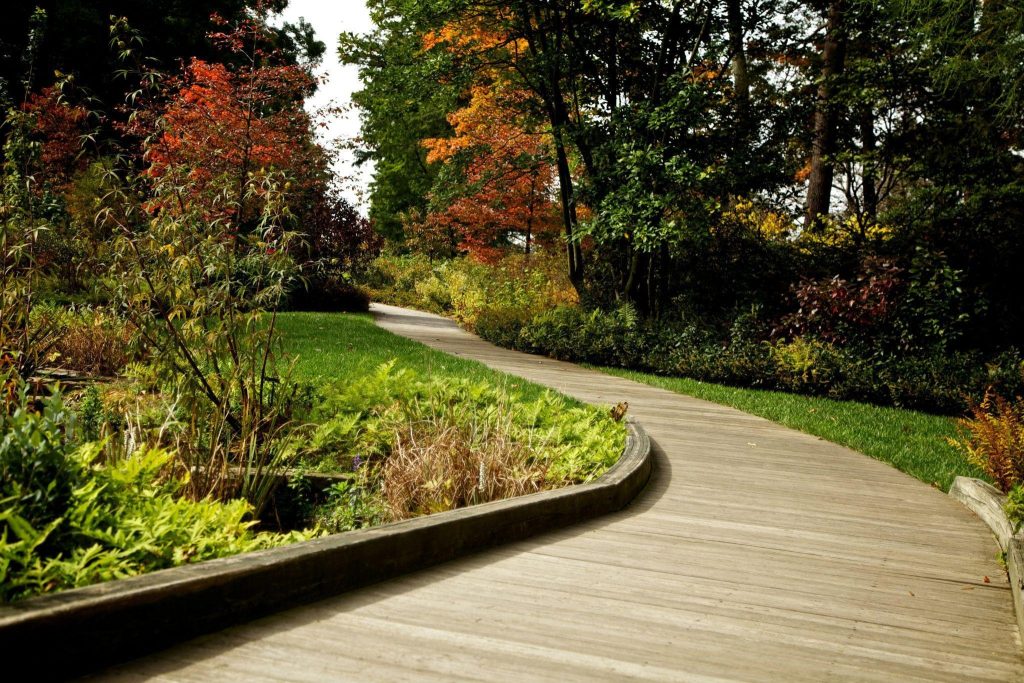
Exterior maintenance extends beyond landscaping into the structural components of a home. Roofing, siding, and other protective elements are directly influenced by how the surrounding environment is managed. Overgrown vegetation, improper water flow, and debris accumulation can all contribute to premature wear and damage.
Addressing these risks requires coordination between landscape management and structural care. Services related to roof replacement in Fort Worth, TX illustrate how maintaining roofing systems is essential to protecting the overall exterior. When landscaping practices support proper drainage and minimize exposure to moisture, they help extend the lifespan of these structural elements and reduce the need for frequent repairs.
Seasonal Adjustments and Ongoing Upkeep
Outdoor spaces are constantly influenced by seasonal changes, making regular adjustments an essential part of maintenance. Weather conditions affect plant health, soil stability, and structural materials, requiring homeowners to adapt their routines throughout the year. Preparing for these changes helps prevent damage and ensures that both design and functionality remain intact.
Consistent upkeep reinforces the original design intent. By revisiting key areas regularly, homeowners can identify early signs of wear or imbalance and address them before they become significant issues. This proactive approach supports a stable and well-maintained exterior environment, regardless of changing conditions.
Balancing Aesthetics With Practical Function
A successful outdoor space achieves a balance between visual appeal and practical performance. While design elements such as layout, color, and texture contribute to the overall look, they must also support the functional needs of the property. This includes considerations such as accessibility, durability, and ease of maintenance.
By integrating these factors into both design and upkeep, homeowners can create spaces that are not only attractive but also sustainable over time. This balance ensures that the landscape continues to enhance the property without creating unnecessary challenges, reinforcing the connection between thoughtful planning and effective maintenance.
Creating Cohesion Between All Exterior Elements
Cohesion is a defining feature of well-executed exterior spaces. When landscaping, structural components, and maintenance routines are aligned, the entire property functions as a unified system. Each element supports the others, creating a seamless experience that enhances both usability and appearance.
Achieving this level of cohesion requires ongoing attention and a willingness to adapt as conditions change. By maintaining a clear connection between design and maintenance, homeowners can ensure that their outdoor spaces remain both functional and visually consistent. This integrated approach ultimately leads to a more resilient and enjoyable living environment.
Liora Skye, founder of Magazinevalve, is a certified SEO professional and skilled writer with over 5.5 years of experience. She specializes in creating authentic, engaging, and well-researched celebrity blogs that connect with readers worldwide


