

How Active Lifestyles Are Shaping Daily Life in Growing Texas Communities

In communities across West Texas, daily life often blends work, recreation, and social connection in ways that feel distinctly local. Cities like San Angelo are shaped by outdoor spaces, school sports, weekend events, and a strong culture of staying active without turning fitness into a formal production. Movement is woven into routines naturally, whether that’s walking downtown, spending time at a local course, or meeting friends for casual competition.
Clothing plays a subtle role in this rhythm. People tend to favor apparel that works across settings rather than outfits reserved for a single purpose. It’s common to see pieces like golf shirts worn well beyond the fairway, paired just as easily with jeans or shorts for errands and social outings. Their appeal isn’t about performance branding, but about comfort, breathability, and looking put together without effort, qualities that fit seamlessly into everyday life in an active town.
This practicality reflects a broader trend in how people approach movement. Instead of structuring their day around workouts, they build activity into what they’re already doing.
Small Comfort Choices That Support Staying Active
While big lifestyle decisions get attention, it’s often the smallest comfort choices that determine whether people stay active consistently. Footwear, layering, and fit all influence how long someone stays on their feet and how enjoyable that time feels. When something is uncomfortable, activity tends to shorten; when it feels right, movement extends naturally.
This is where overlooked essentials matter. Many people don’t think much about socks until they cause a problem, yet guidance on the best sport socks often emphasizes how cushioning, moisture control, and fit can reduce fatigue during long days. Whether someone is walking a course, coaching youth sports, or spending hours outdoors, these details quietly support endurance without drawing attention to themselves.
The value of these small adjustments is cumulative. Comfort removes friction, and removing friction makes activity easier to repeat.
Activity as a Social Connector
In towns like San Angelo, physical activity often doubles as social time. Pick-up games, charity tournaments, and informal leagues bring people together without the pressure of formal events. Movement becomes a shared language, something that bridges age groups, professions, and backgrounds.
These gatherings don’t revolve around intensity or competition. They revolve around presence. People show up to participate, catch up, and spend time outdoors. The simplicity of these interactions is part of what makes them sustainable. No one needs specialized gear or strict schedules; they just need to be comfortable enough to join in.
This social dimension is one reason active lifestyles persist in smaller cities. Activity isn’t isolated; it’s communal.
Why Practical Fitness Endures
Trends in fitness come and go, but practical movement tends to last. Walking, casual sports, and low-pressure recreation fit into life more easily than highly structured programs. They don’t require motivation spikes or recovery periods; they simply become part of the week.
Research consistently supports this approach. According to the Centers for Disease Control and Prevention, regular moderate physical activity, such as walking, recreational sports, or active chores, provides substantial health benefits when sustained over time. The emphasis isn’t on intensity, but on consistency.
That message resonates in communities where activity is habitual rather than aspirational.
Clothing That Matches the Pace of Real Life
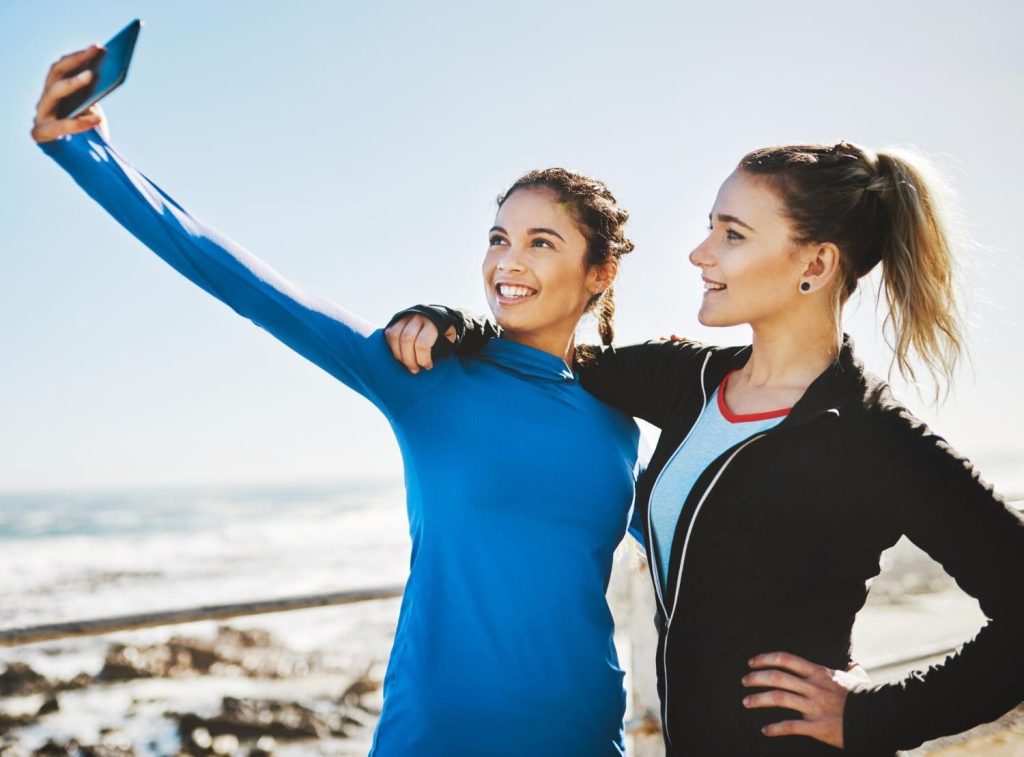
One reason casual athletic wear has become so common is that it matches how people actually move through their day. Outfits need to transition smoothly from one setting to another without requiring changes. Comfort matters, but so does looking appropriate in social spaces.
This balance explains why certain staples endure. They don’t try to optimize performance at the expense of wearability. Instead, they support movement while still fitting into everyday environments like restaurants, workplaces, or community events.
When clothing works this way, people don’t have to choose between being active and being presentable. That flexibility makes movement more accessible.
The Role of Outdoor Spaces
San Angelo’s parks, trails, and open spaces play a quiet but important role in sustaining active lifestyles. Access to outdoor areas lowers the barrier to movement. People don’t need memberships or elaborate plans; they just step outside.
These spaces also reinforce routine. When paths and fields are familiar, activity feels easier to start. Over time, familiarity builds habit, and habit builds consistency.
Urban planners and public health experts often note that access matters as much as motivation. Communities designed with movement in mind tend to see higher participation across age groups.
Activity Without the Pressure to Perform
Another defining feature of active life in smaller cities is the absence of performance pressure. People move for enjoyment, stress relief, or social connection, not to hit benchmarks or track metrics. This removes a major barrier that often discourages participation.
When activity isn’t measured constantly, people are freer to listen to their bodies and adjust naturally. Some days are more active than others, and that variability is accepted rather than judged.
This mindset makes activity feel sustainable rather than exhausting.
Building Habits That Last
The habits that endure are usually the simplest ones. They rely on comfort, accessibility, and enjoyment rather than discipline alone. When movement feels like a natural extension of daily life, it doesn’t require constant effort to maintain.
Small choices, comfortable clothing, supportive gear, familiar routes, stack together to create an environment where activity happens almost by default. Over time, this environment supports both physical health and social well-being.
A Lifestyle That Reflects the Community
Active living in places like San Angelo isn’t about trends or extremes. It’s about practicality, connection, and making the most of the environment. Movement fits into life because life is already moving.
By favoring comfort, flexibility, and community over optimization, people create routines that feel realistic and repeatable. That approach doesn’t just support health, it supports a way of life that feels grounded, social, and sustainable.
In the end, the most effective active lifestyles are the ones that don’t demand attention. They simply blend into the day, shaping how people live without ever needing to announce themselves.
Liora Skye, founder of Magazinevalve, is a certified SEO professional and skilled writer with over 5.5 years of experience. She specializes in creating authentic, engaging, and well-researched celebrity blogs that connect with readers worldwide


