

Beyond Utility: Why the NekoDrop Blind Box Model is Addictive Retail

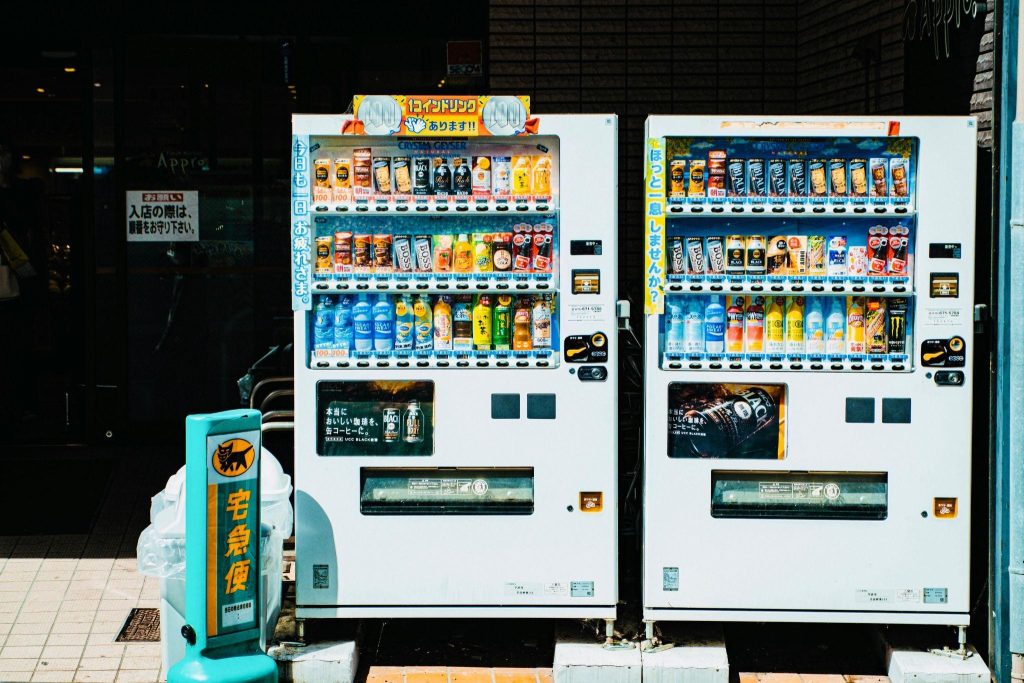
In the landscape of 2026 retail, the transactional relationship between consumer and machine has undergone a fundamental shift. We have moved beyond the “vending” era, where a machine was simply a means to an end, and entered the era of “experiential automation.” Traditional vending was built on the foundation of utility: you are thirsty, you provide currency, and you receive a specific, known beverage. However, modern marketing psychologists are noting that the most successful retail models of the current year are those that lean into the science of anticipation. By replacing certainty with a calculated level of mystery, NekoDrop has harnessed the psychological power of the “Unboxing” experience to create a retail loop that traditional models simply cannot replicate. Integrating a NekoDrop installation into a commercial space transforms a standard purchase into a high-stakes event, driving repeat engagement through the neurochemical rewards of surprise and discovery.
The Dopamine Architecture of Anticipation
To understand why the blind box model is so effective, we must look at the brain’s reward system. For a marketing psychologist, the most interesting discovery of recent years is that the brain releases significantly more dopamine during the anticipation of a reward than during the receipt of the reward itself. This is known as the “Reward Prediction Error” theory. When a consumer approaches an automated retail unit, the window shopping phase initiates a surge of neurochemical activity.
If the consumer knows exactly what they are getting, the dopamine spike is relatively flat. However, when the outcome is uncertain, such as when purchasing a Pop Mart blind box or a high-end trading card pack, the brain enters a state of heightened arousal. The “uncertainty” acts as a multiplier. The moment the package drops and the consumer begins the unboxing process, the brain is scanning for a “positive prediction error”—the discovery that the item inside is rarer or more desirable than expected. This creates a powerful, self-reinforcing loop that keeps the consumer returning to the machine in search of that next peak experience.
The Science of “The Drop” and Variable Rewards
The NekoDrop model succeeds by utilizing what behaviorists call a “variable ratio reinforcement schedule.” This is the same psychological mechanism that makes slot machines or video game loot boxes so compelling. Because the “win” (in this case, a rare or “chase” figure) occurs at unpredictable intervals, the behavior of purchasing becomes highly resistant to extinction.
In traditional retail, if a product is out of stock, the consumer’s journey ends. In the blind box world of 2026, the “miss” is actually part of the product. When a collector unboxes a common figure instead of the rare one they were hoping for, it doesn’t necessarily lead to frustration; instead, it often leads to a “near miss” effect. The consumer feels they are “closer” to the win, which motivates an immediate repeat purchase. This creates a “cycling” effect at the machine where a single user may make three or four purchases in a single sitting, a behavior almost never seen with traditional snacks or electronics.
The Unboxing Ritual as a Cultural Currency
In 2026, a purchase is rarely a private act. The unboxing experience has become a form of “cultural currency” that is traded on social media platforms. The physical design of the blind box is engineered to maximize the tactile and auditory feedback of the opening process. The crinkle of the foil, the pop of the cardboard, and the slow reveal of the character’s head are all intentional design choices that prolong the state of anticipation.
For the e-commerce entrepreneur, this is “earned media” in its purest form. Every time a consumer records an unboxing video at a retail unit, they are broadcasting the brand’s value proposition to their entire social circle. The machine is no longer just a vendor; it is a stage. This social validation adds another layer to the “addictive” nature of the retail model. The consumer isn’t just buying a toy; they are buying “content” and a chance to participate in a global community of collectors. The shared excitement of “the drop” creates a communal bond that traditional retail stores often fail to foster.
Scarcity, Exclusivity, and the “Whale” Demographic
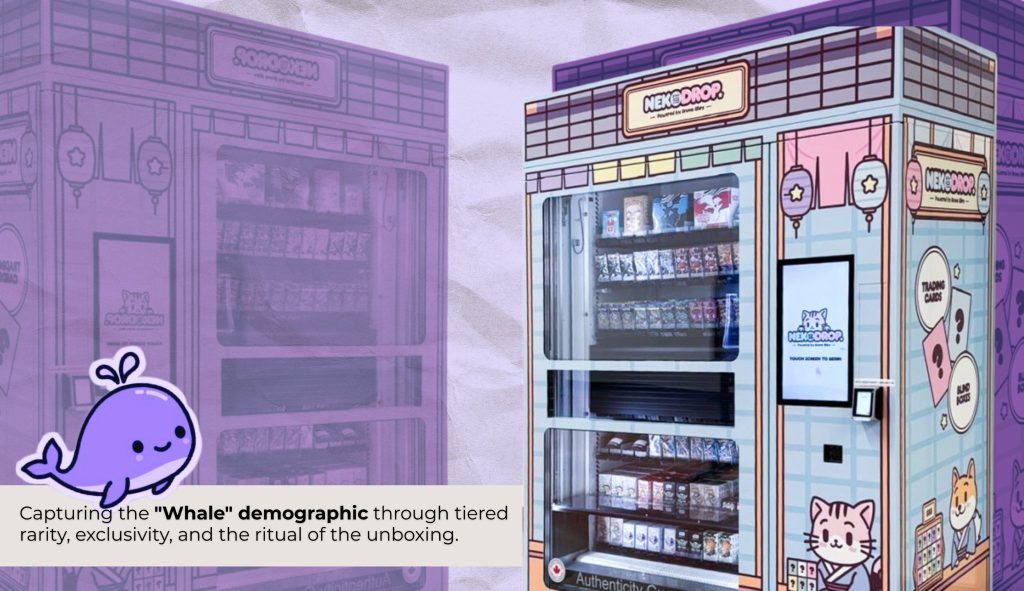
Market psychologists have long understood that perceived scarcity increases value. The NekoDrop model takes this a step further by using “tiered rarity.” Within a single series of collectibles, there may be “Common,” “Rare,” “Super Rare,” and the elusive “Hidden” or “Secret” figures. This hierarchy creates a clear roadmap for the consumer.
This structure specifically targets the “Whale” demographic—high spending collectors who have the disposable income and the psychological drive to “complete the set.” For these individuals, the retail unit is a challenge to be conquered. The 2026 trend toward “Kidult” culture means that these whales are often adults with significant purchasing power. They are not just looking for a toy; they are looking for the prestige of owning a complete collection. The automated retail unit provides the perfect friction-less delivery system for this pursuit, allowing for rapid-fire purchases that satisfy the collector’s urge for completion.
Tactile Satisfaction in a Digital World
As our lives become increasingly digital, the value of a physical, tactile experience has skyrocketed. This is the “Antidote to the Screen” theory. Marketing behaviorists suggest that the physical act of “getting a win” from a machine provides a level of satisfaction that a digital purchase on a smartphone cannot match.
The weight of the box, the vibration of the machine’s internal mechanisms, and the physical “thud” of the product landing in the collection bin all contribute to a sense of reality. In 2026, consumers are seeking out these physical touchpoints as a way to ground themselves. The “addictive” nature of the model is partly due to this sensory richness. The NekoDrop unit provides a multi-sensory experience that begins with the visual appeal of the bright, high definition display and ends with the physical possession of a high quality, designer object.
The Evolution of the “Impulse Buy”
The traditional “impulse buy” was usually a low cost, low value item near a checkout counter. In 2026, the impulse buy has been transformed into a “high value experience.” Because the blind box model offers the potential for a high value return (a rare figure worth much more than the purchase price), the consumer can justify the impulse purchase as a “micro-investment” or a “calculated gamble.”
This shift in perception is crucial for retail investors. It allows for a much higher price point than traditional vending. A consumer who might hesitate to spend $20 on a known item will often spend that same $20 on a mystery box because the potential value is much higher. The NekoDrop platform leverages this by stocking premium, authentic Japanese imports that have a verified secondary market value. This “speculative retail” adds a layer of intellectual engagement to the purchase, making it more than just a whim; it becomes a strategic move in the game of collecting.
Friction-less Engagement and the Modern Consumer
Convenience is the baseline requirement for 2026 retail, but it is no longer enough to win the market. The modern consumer wants “convenience plus.” They want the speed of automation combined with the thrill of a luxury experience. Traditional stores are often plagued by “purchase friction”—queues, lack of stock, and unhelpful staff.
The automated model removes this friction entirely. The transaction is instant, cashless, and anonymous. This anonymity is actually a psychological benefit for the adult collector, who may feel self-conscious buying “toys” in a traditional department store. The machine provides a safe, judgment-free zone to indulge in “Kidult” hobbies. By removing the social barriers to purchase, NekoDrop increases the frequency of engagement, allowing the consumer to focus entirely on the excitement of the unboxing experience.
Predictive Merchandising: The AI Behind the Anticipation
While the consumer experiences mystery, the operator sees total clarity. The 2026 NekoDrop units are powered by AI that analyzes “anticipation patterns.” The software tracks which series are creating the most social media buzz and which “near miss” scenarios are driving the most repeat sales at a specific location.
This data allows for predictive merchandising. The machine doesn’t just wait to be refilled; it suggests “drops” that are timed to coincide with cultural events or movie releases. This ensures that the “mystery” is always relevant and high in demand. For the marketing psychologist, this is the ultimate tool for consumer behavior analysis. We can now see, in real-time, how different rarity tiers and packaging designs influence the purchase loop. This data-driven approach ensures that the “addiction” isn’t left to chance; it is engineered for maximum engagement and revenue.
Conclusion: The Future of Experiential Retail
The success of the blind box model in 2026 proves that the future of retail is not just about what you sell, but how the consumer feels when they buy it. Utility is a commodity, but anticipation is an experience. By understanding the neurobiology of reward and the cultural importance of the unboxing ritual, NekoDrop has created a retail ecosystem that thrives on the very human desire for surprise.
As we move forward, we will see more brands attempting to “gamify” their retail presence. However, the core of the NekoDrop success lies in the balance of high quality product and psychological precision. It isn’t just about the “box”; it’s about the “blind” aspect that makes the box worth opening. For marketing psychologists and e-commerce entrepreneurs, the lesson is clear: in an age of instant gratification, there is immense value in making the consumer wait—just for a few seconds—to see what they’ve won. That brief window of pure, unadulterated anticipation is the most valuable real estate in modern retail.





