

Careers in Broadcast Journalism: Skills, Training and Career Paths
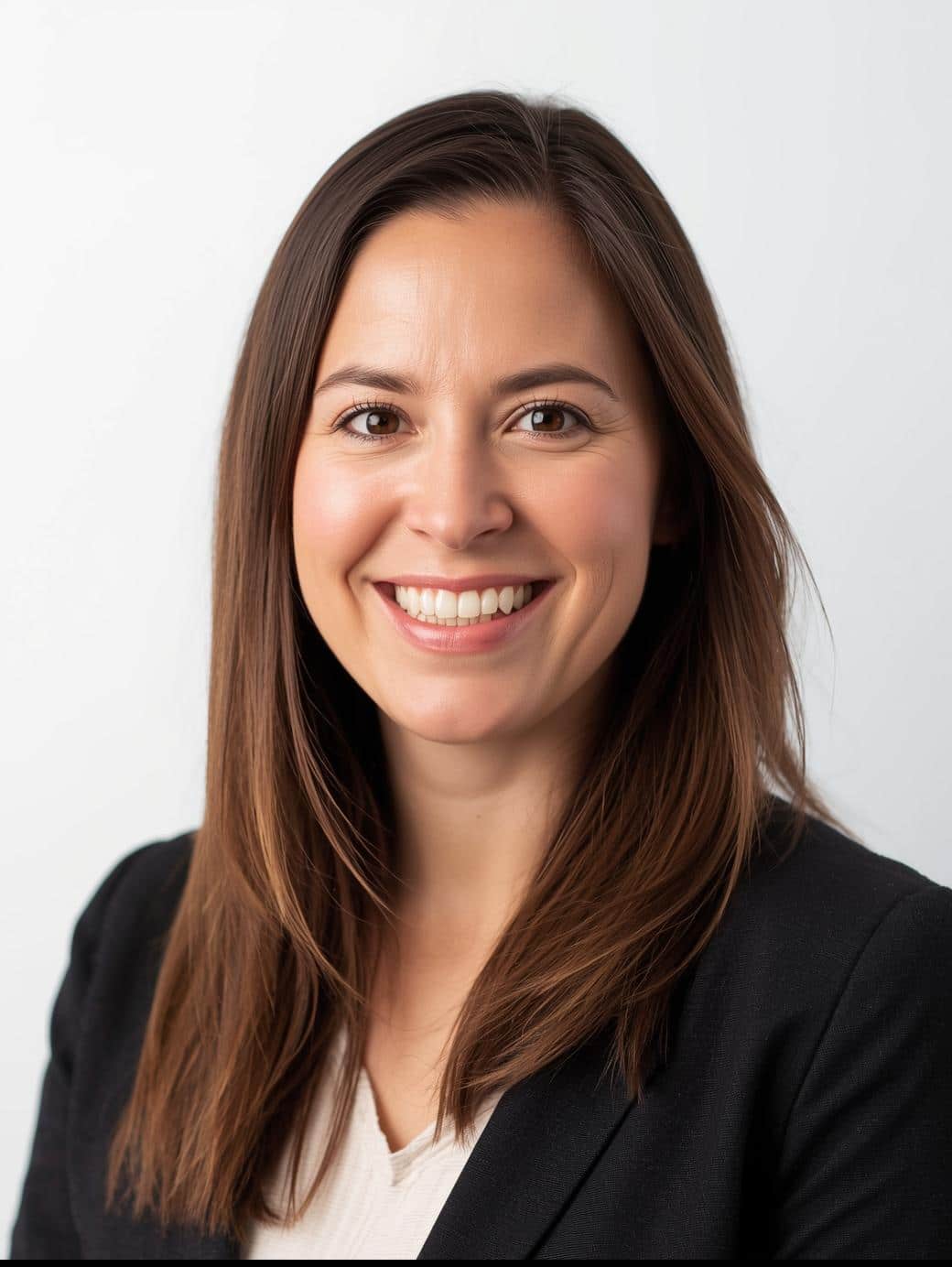
Broadcast journalism covers the reporting, producing and presenting of news for television, radio and online audiences, and the roles inside it differ widely. Some people spend their days in a studio reading bulletins, while others are out with a camera or a phone gathering material for the next programme. Knowing which skills employers look for, how people train and where a first job can lead makes it easier to plan a realistic route in.
Newsroom skills
Newsrooms work to fixed lengths, so writing a story to thirty or ninety seconds is a daily task, and a bulletin slot leaves no room for waffle. Reporters also need to check facts quickly, interview people who are nervous or short of time, and explain a complicated story in plain words that sound natural when read aloud, then hand the script over in time for a producer to check it. A clear speaking voice helps on air, and accurate scripts delivered on time matter just as much.
Transferable skills
Reporters learn to listen closely, give people time to answer and keep going until a story is properly told. Patience, empathy and resilience built that way carry into other work, and anyone who changes direction can use them in teaching, mediation or becoming a foster carer. Those who move into producing and editing learn to organise a team around a deadline and decide what the audience needs to know first, which suits project management and communications roles.
Training routes
No single route leads into the industry, and a journalism degree, a master’s and an industry diploma all open doors into newsrooms. Many media organisations prefer journalists with NCTJ accreditations, and the BBC has offered paid advanced apprenticeships for graduates that lead to an NCTJ qualification, which suits people who want to earn while they learn. Some courses also teach shorthand, and although it’s no longer compulsory for every trainee, it can still help a CV stand out.
Multi-platform work
Reporters at BBC Surrey and BBC Sussex have been sent out with mobile kits to make content for both the radio and social channels, and that kind of multi-skilled work is part of many newsroom roles. Filming and editing on a phone, recording clean audio and writing captions can all be practised before applying, and student, hospital or community radio gives newcomers a place to build a portfolio. Newsrooms that publish on several platforms value people who can switch between audio, video and writing.
Career paths
Many broadcast journalists begin as researchers, broadcast assistants or newsroom assistants and move into reporting, producing, presenting or editing as they gain experience. Local and regional stations can be a good place to learn every part of the job, while national organisations tend to have larger teams and specialist desks, so the best first step depends on the kind of work you want to do.
Build a portfolio of scripts, audio and video early and keep adding to it as you complete placements and short courses, then use it to apply for traineeships, apprenticeships and local radio roles at the same time, so that a news editor can see your work as well as your qualifications.
Liora Skye, founder of Magazinevalve, is a certified SEO professional and skilled writer with over 5.5 years of experience. She specializes in creating authentic, engaging, and well-researched celebrity blogs that connect with readers worldwide


